METRO HOT Lanes - FAQs
General Questions
1. What are METRO HOT Lanes?
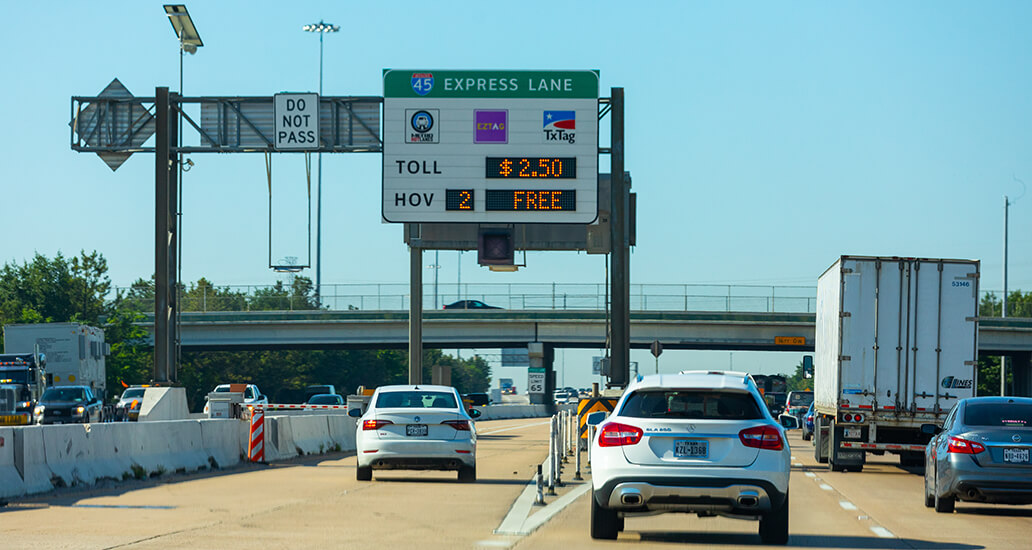
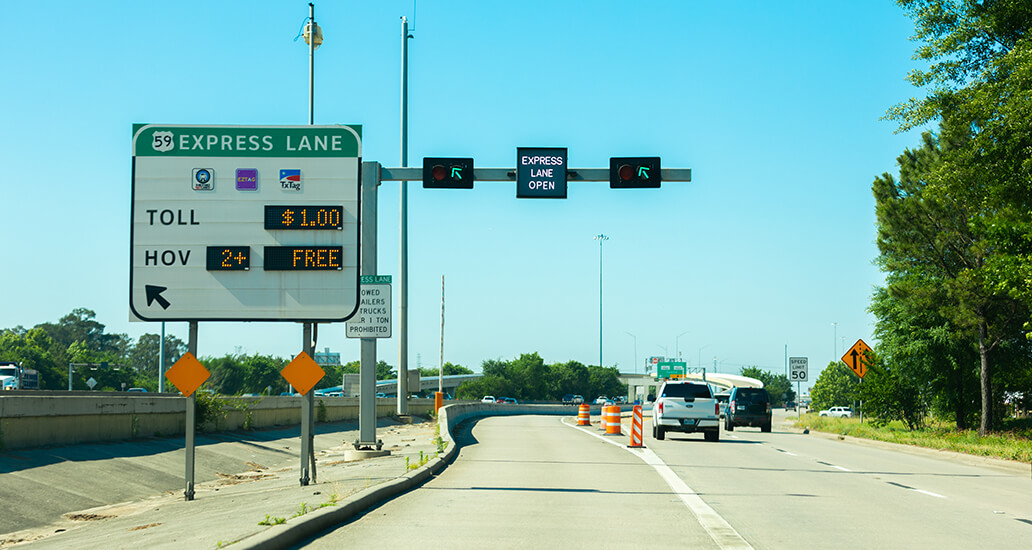
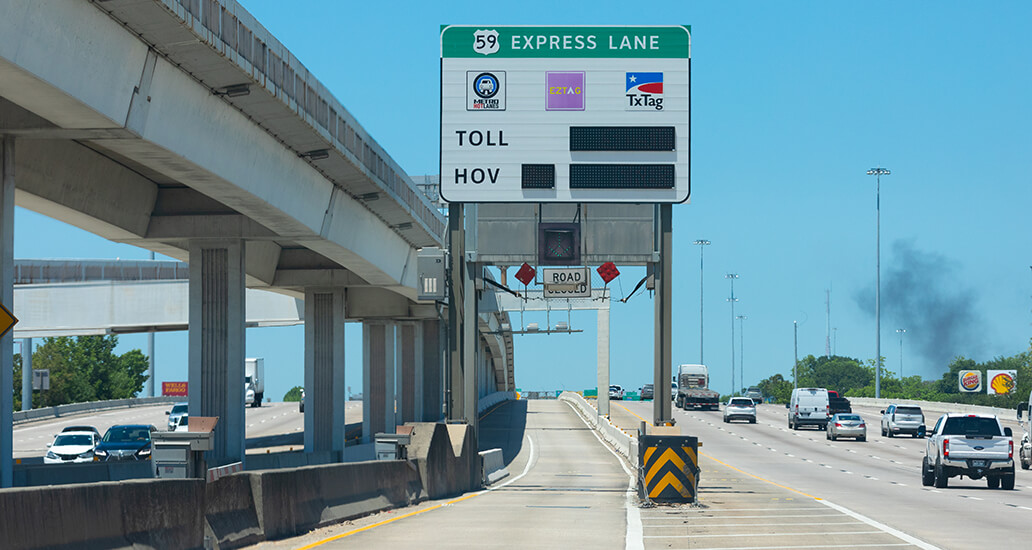
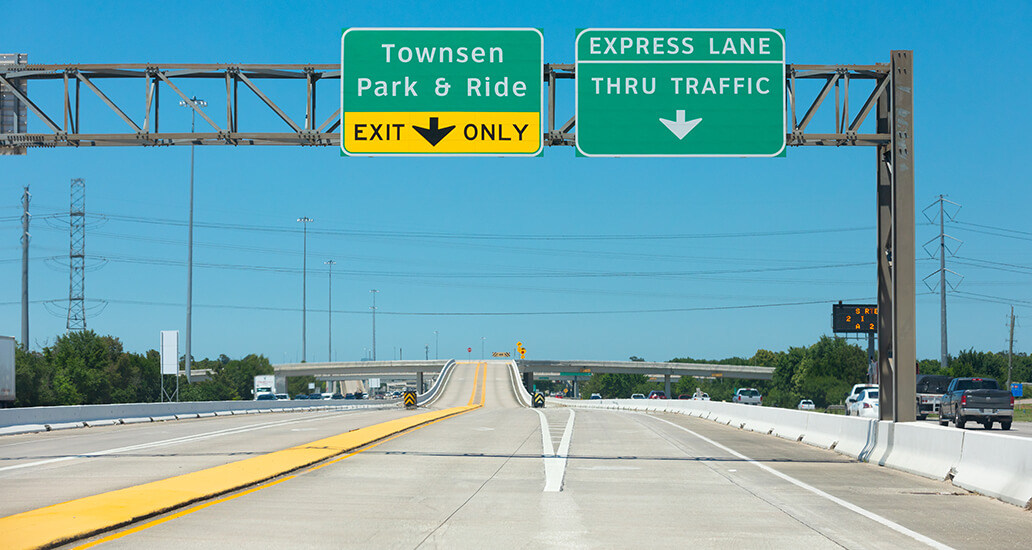
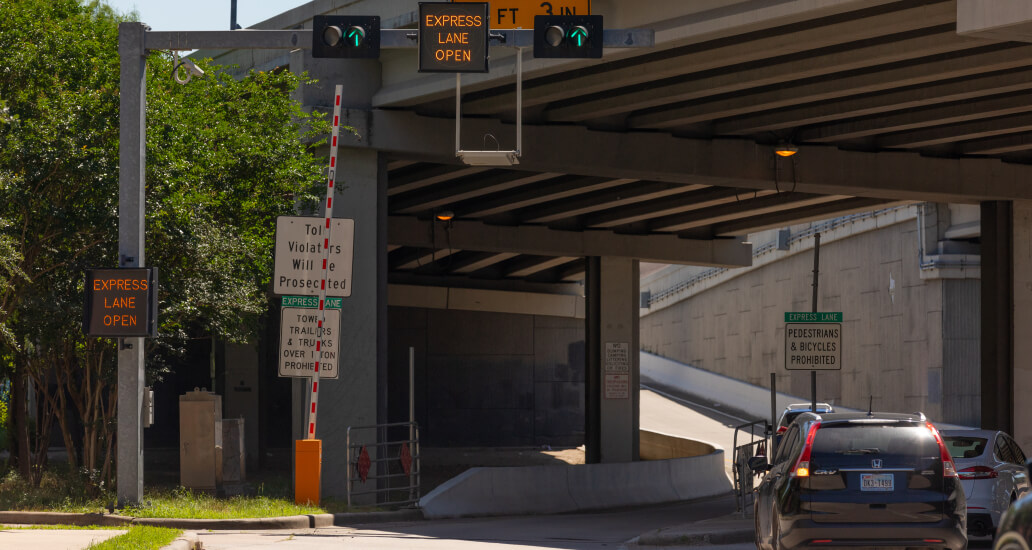
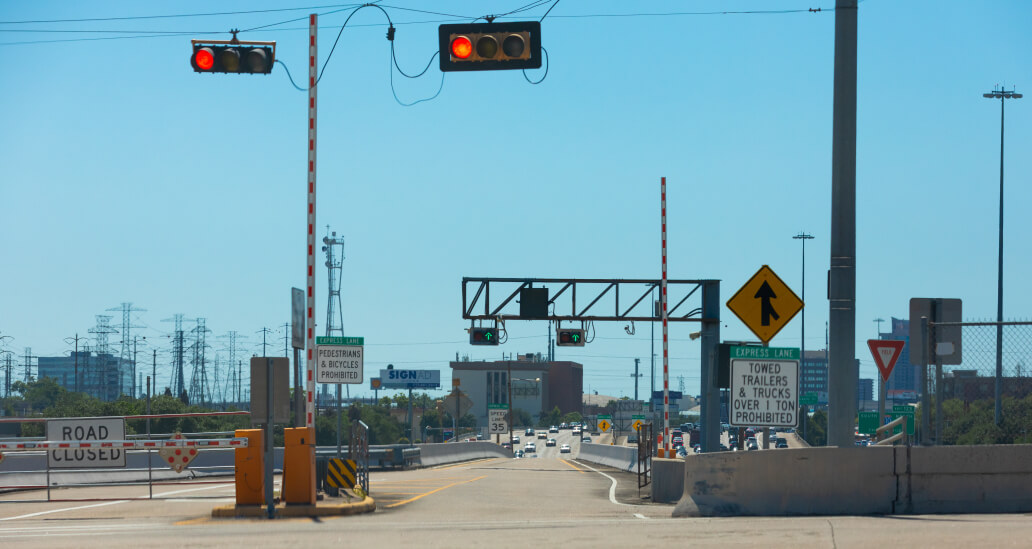
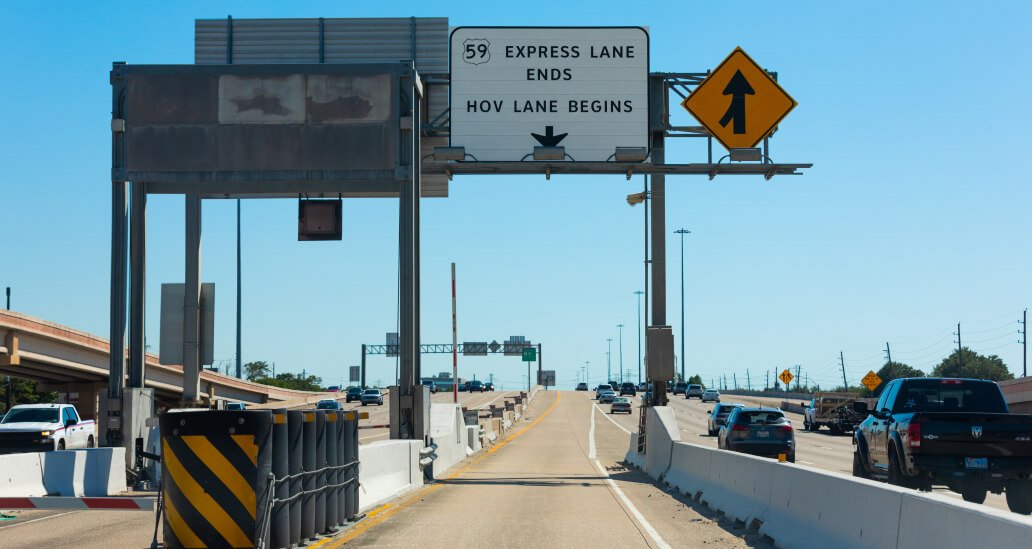
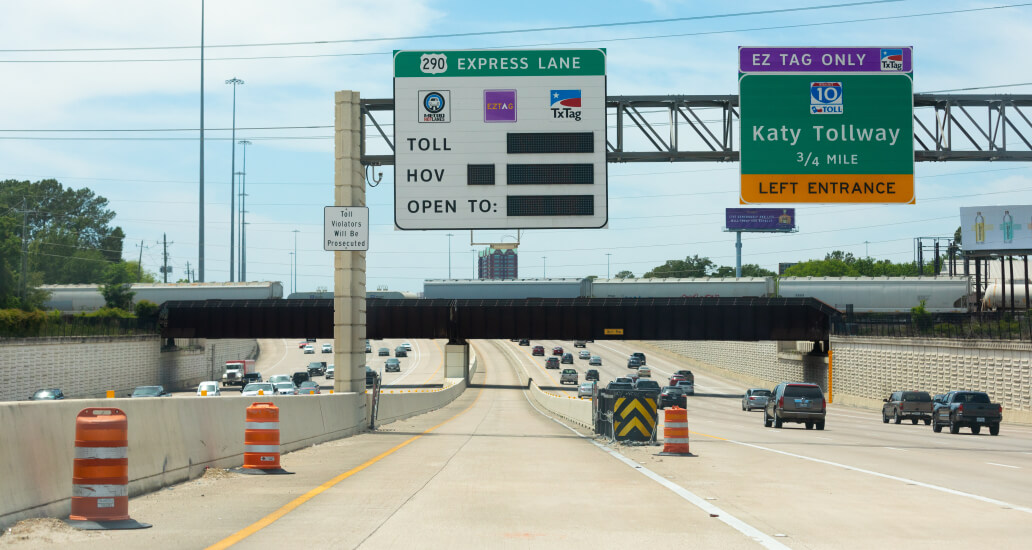
METRO HOT (High Occupancy Toll) Lanes allow drivers without passengers (single-occupant vehicles or SOVs) to use the HOV (High Occupancy Vehicle) Lane – for a toll.
2. Can carpools/vanpools/motorcycles still ride for free?
Yes. The benefits of shared commuting remain the same. METRO HOT Lanes are designed to offer motorists another tool to add to their commute options.
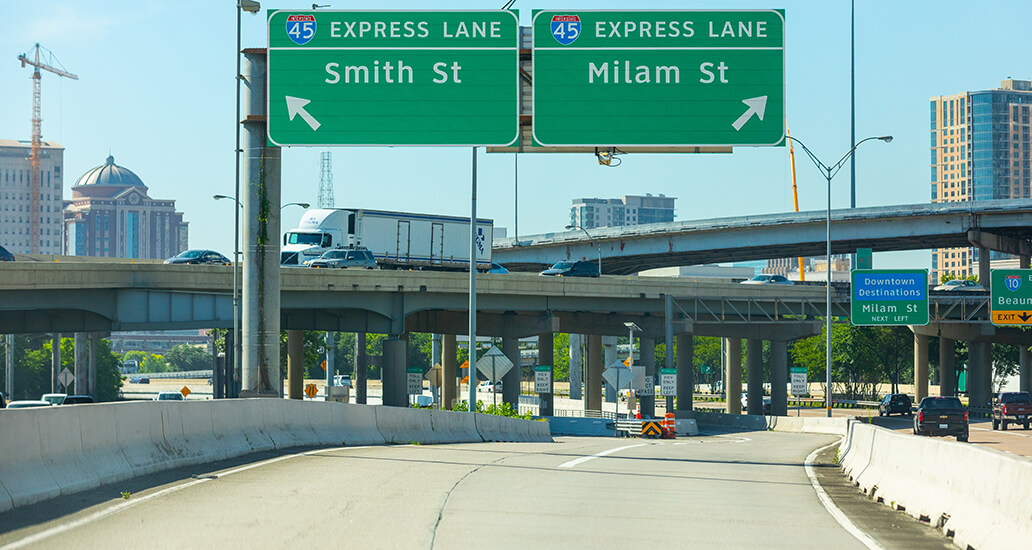
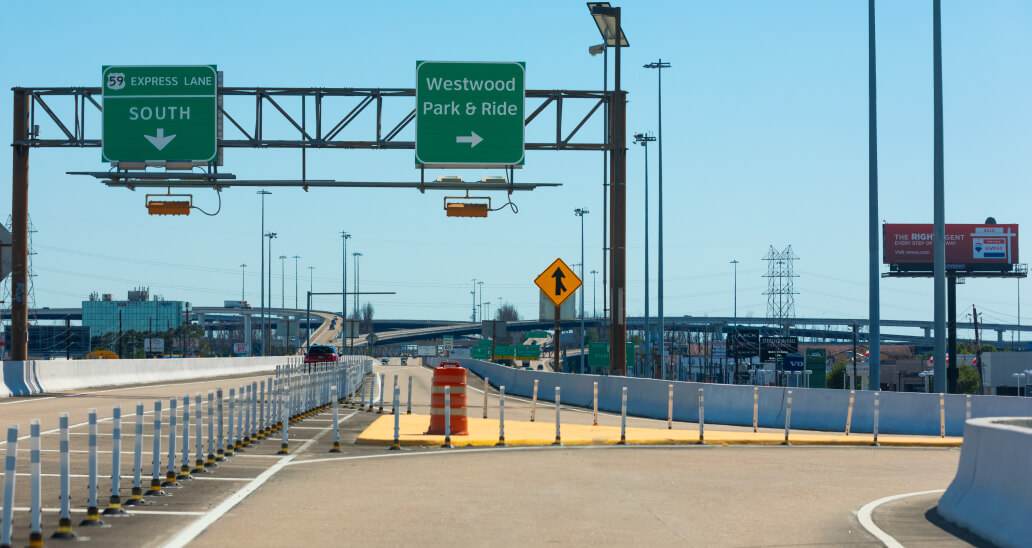
3. Won’t single-occupant vehicles slow HOV Lane speeds?
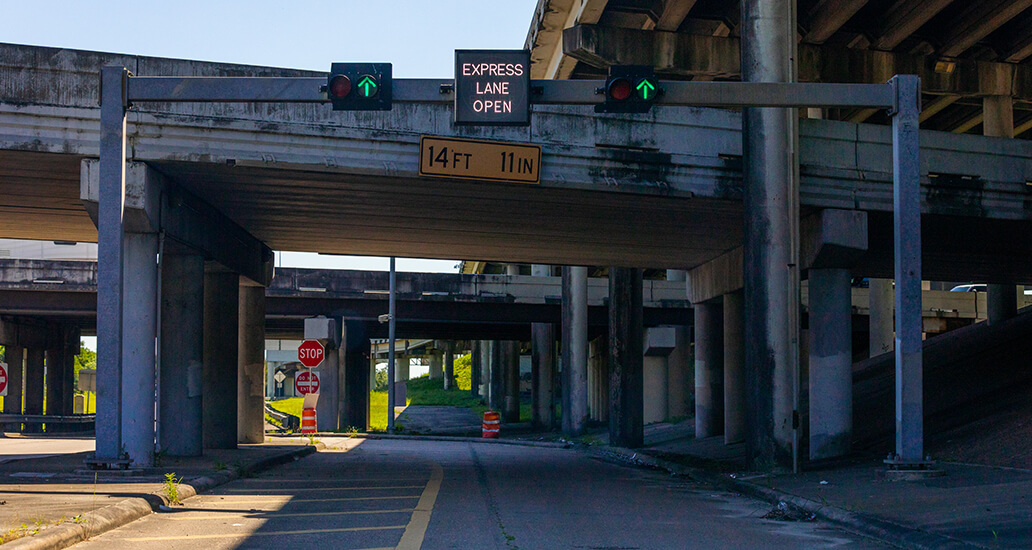
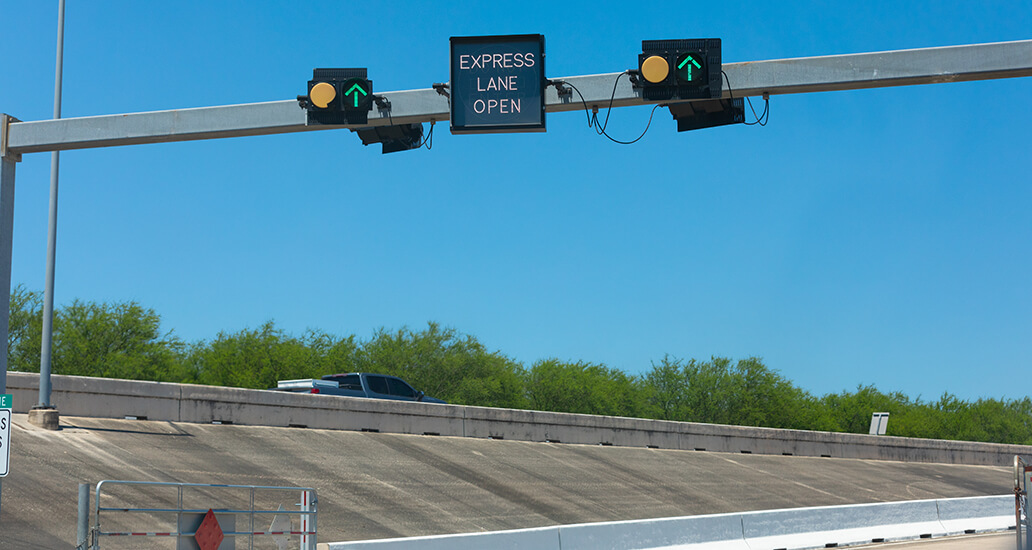
Traffic monitoring systems help METRO maintain traffic speeds to ensure optimal travel times for existing HOV Lane users, as well those using the METRO HOT Lanes. If speeds slow, single-occupant vehicles are not allowed in the HOV Lane. The lane is also be closed during peak traffic periods – specific to each METRO HOT Lane corridor - to single-occupant vehicles.
4. Why is METRO offering the METRO HOT Lanes program?
- Provides new options for commuters
- Increases safety and promotes quick response to accidents and issues in the lanes, thanks to additional camera monitoring
- Improves air quality by reducing traffic congestion
- Better utilizes existing HOV Lanes
- Offers increased enforcement of the HOV Lane system
- Revenue generated from tolls will contribute to the operation, maintenance and enforcement costs for METRO HOT Lanes
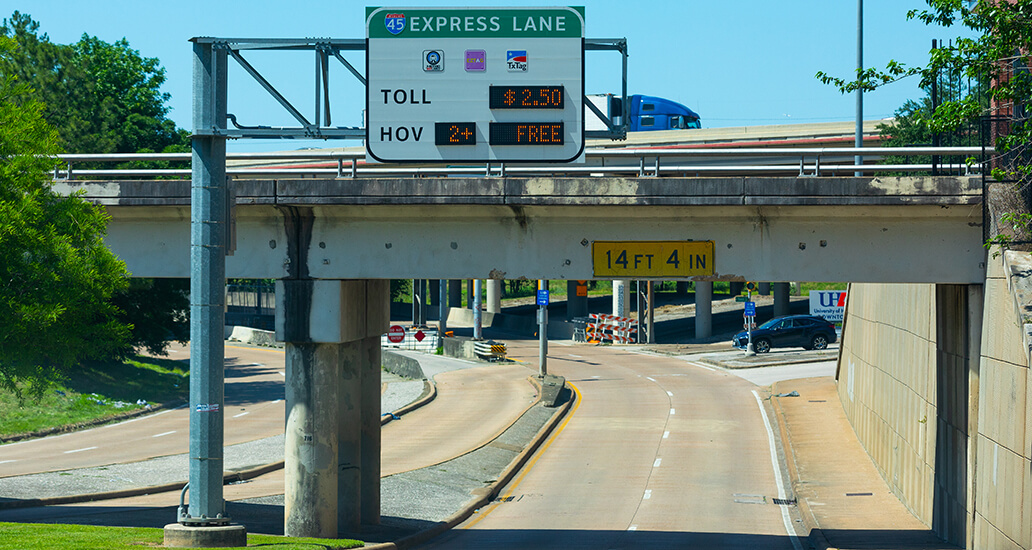
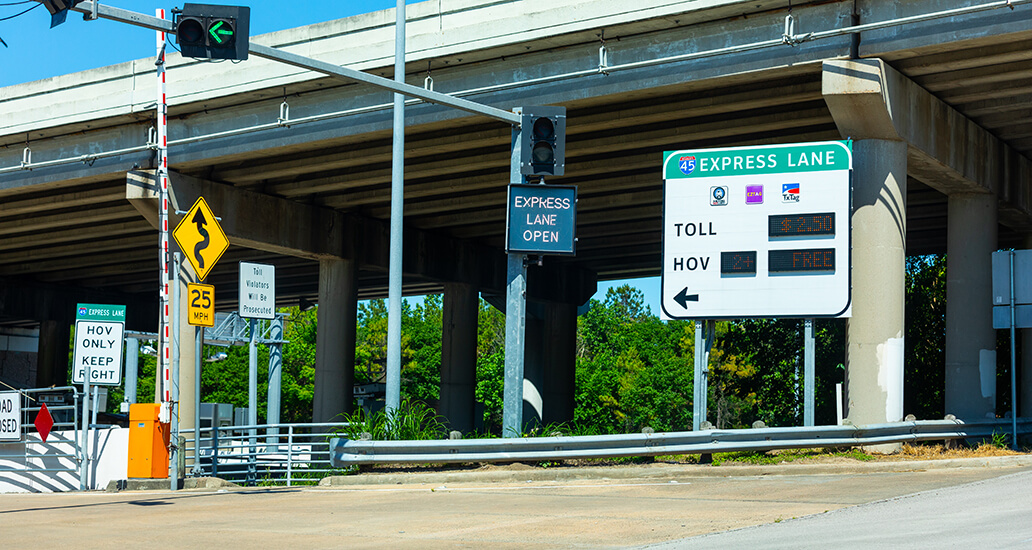
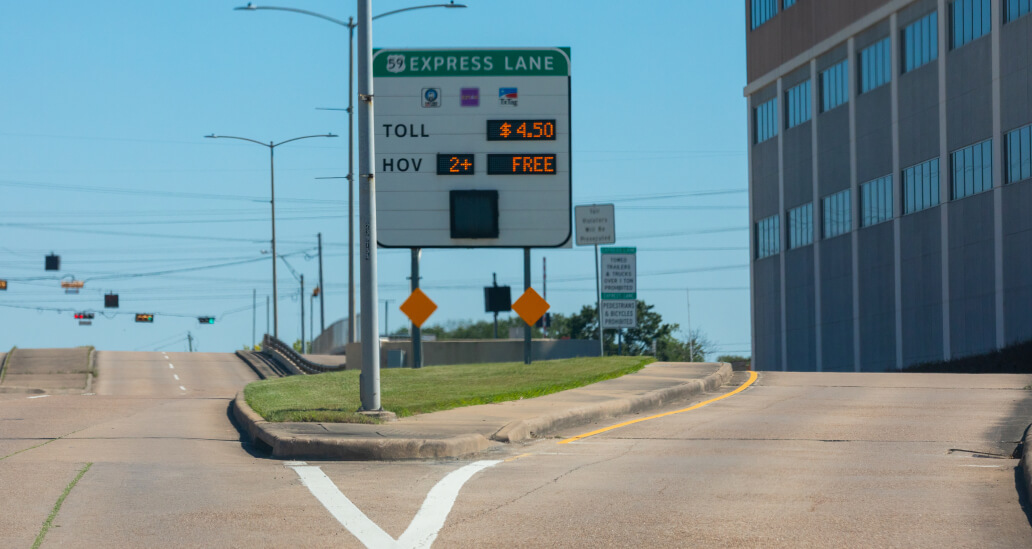
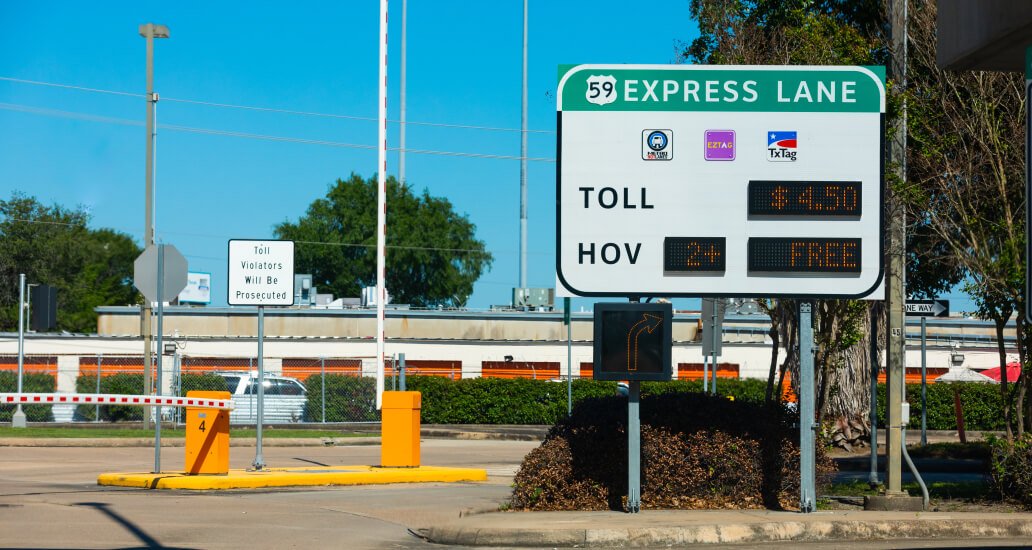
5. How much will tolls be for METRO HOT Lanes?
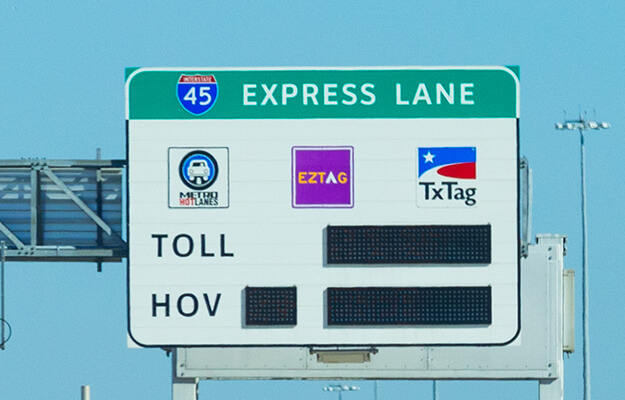
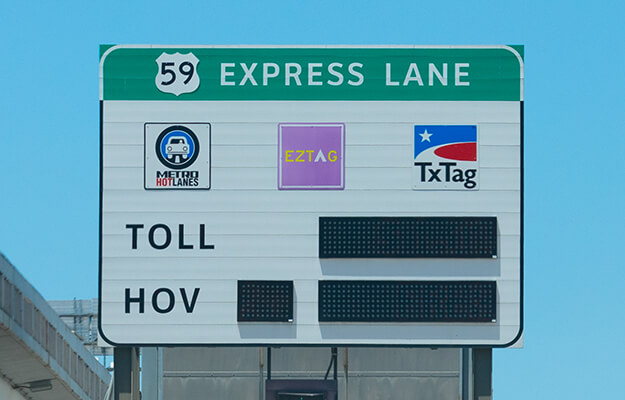
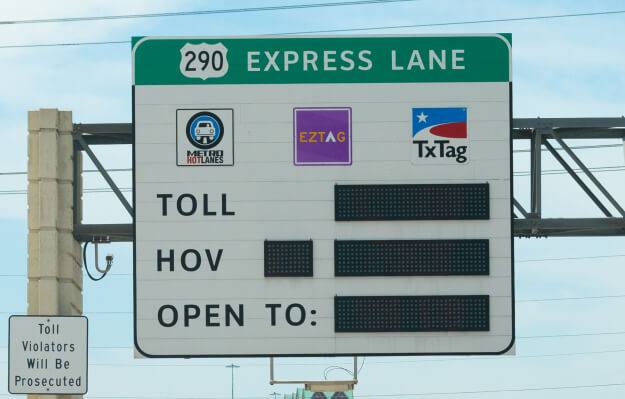
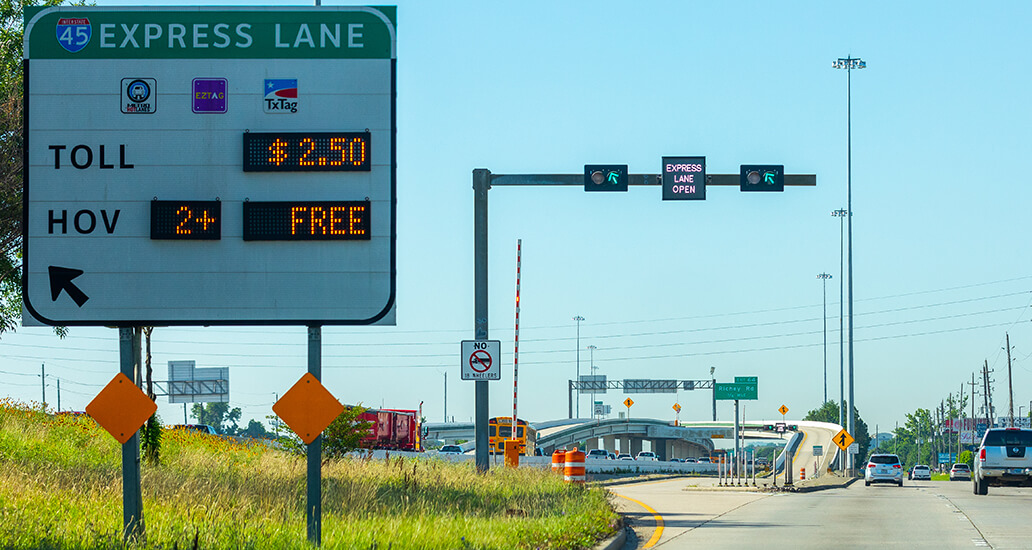
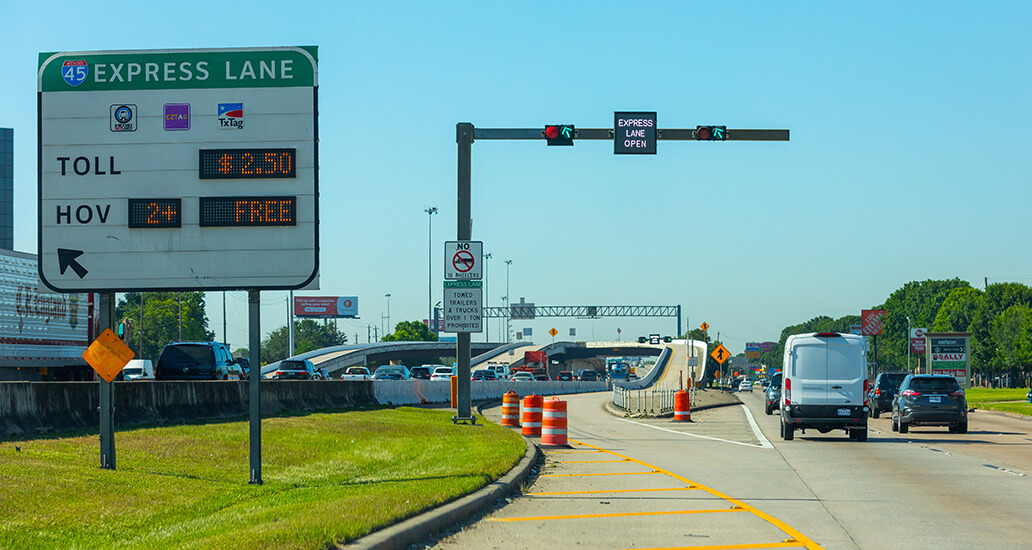
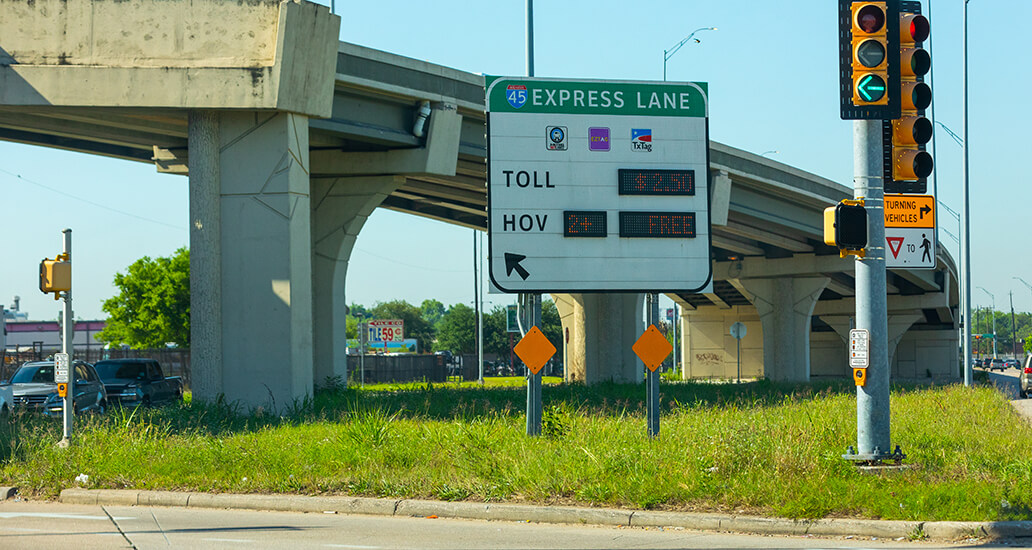
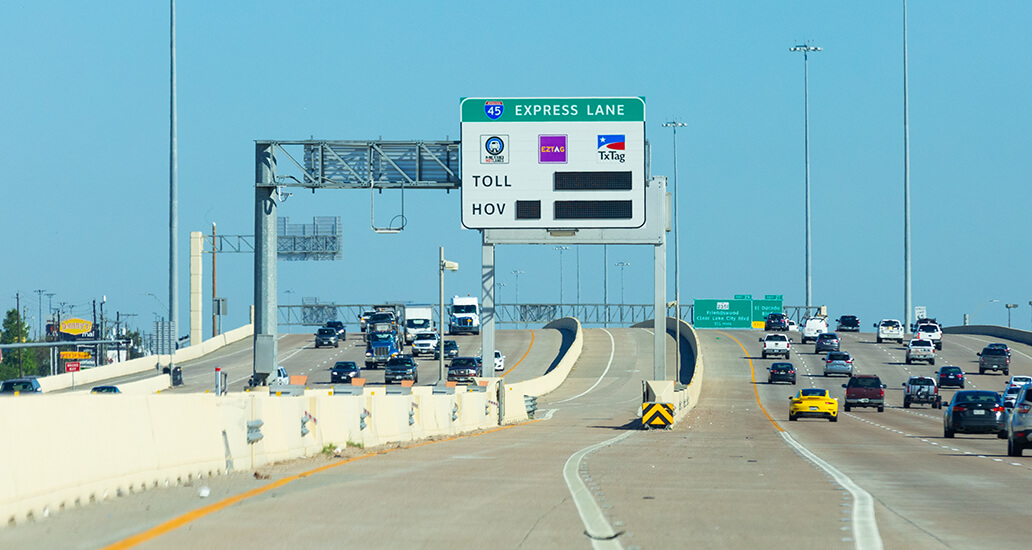
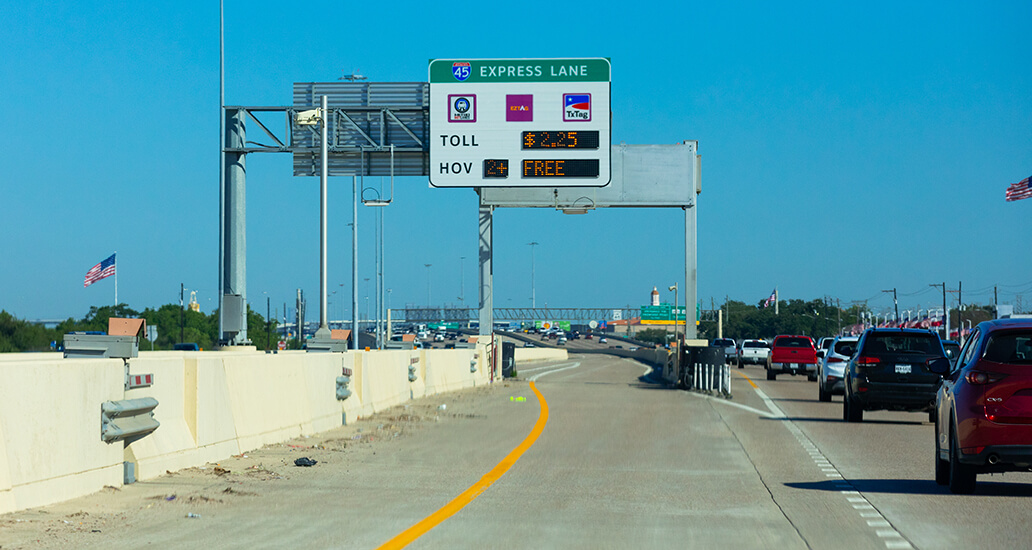
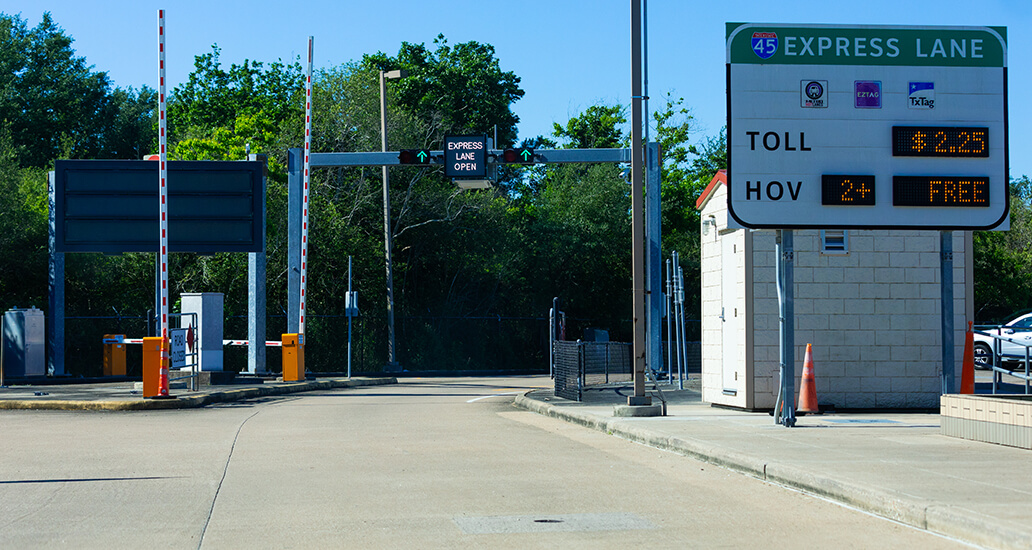
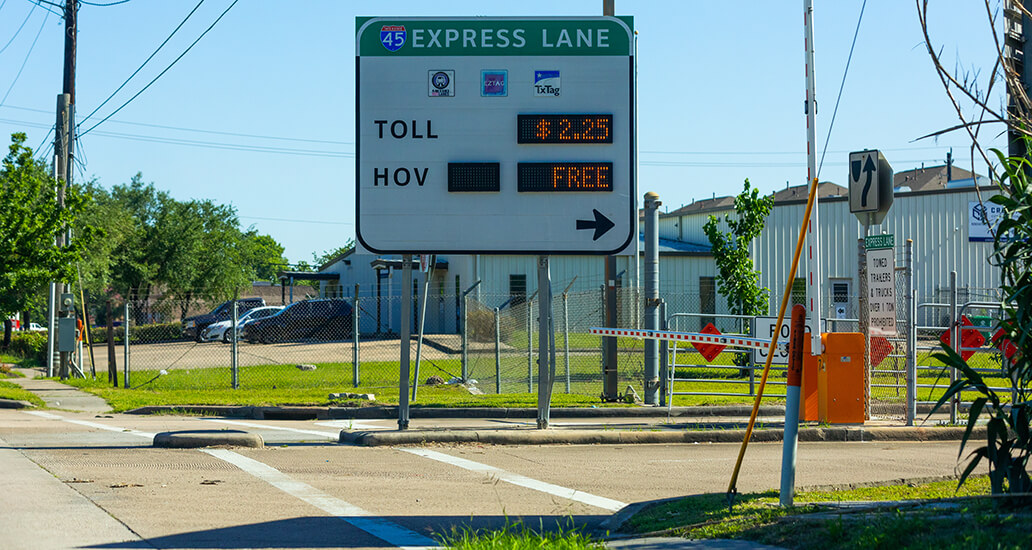
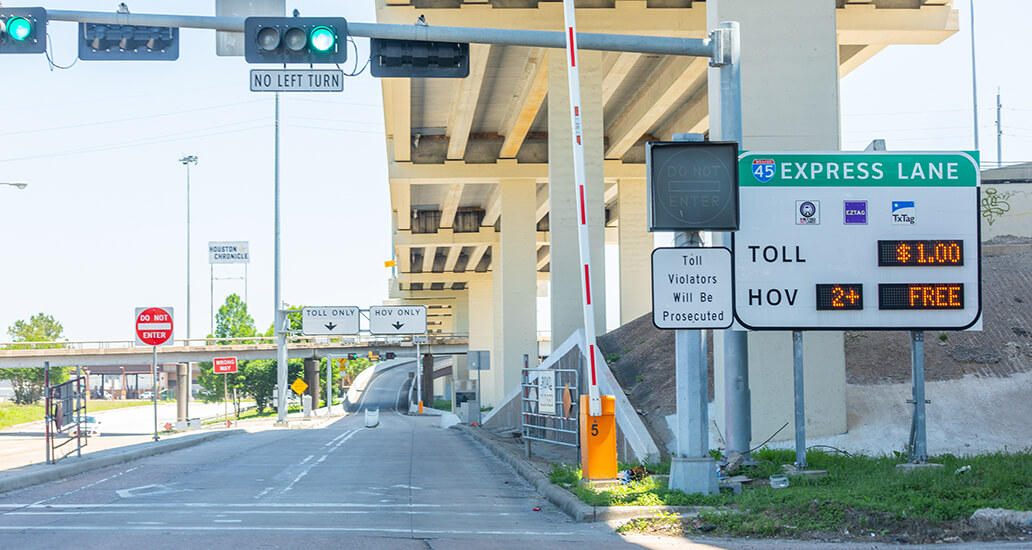
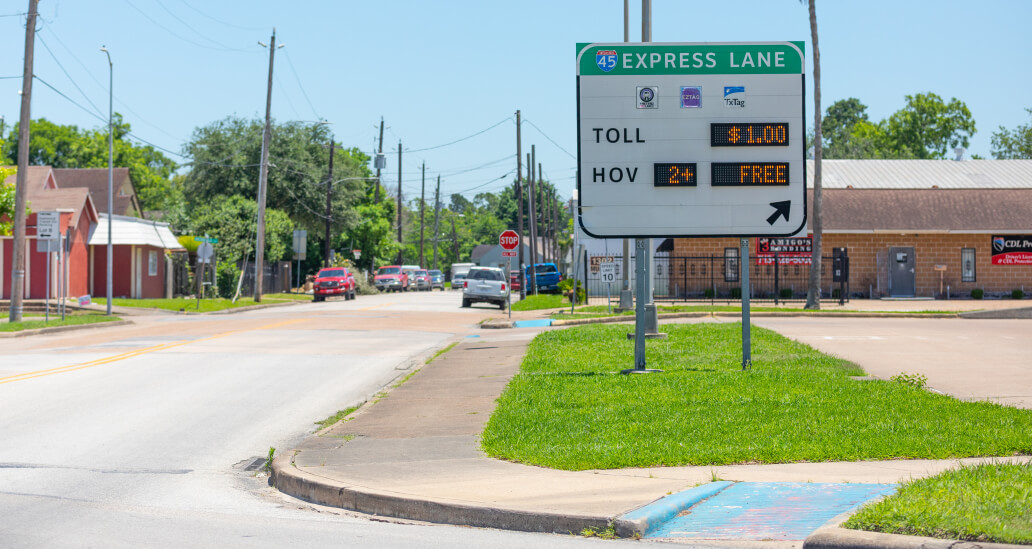
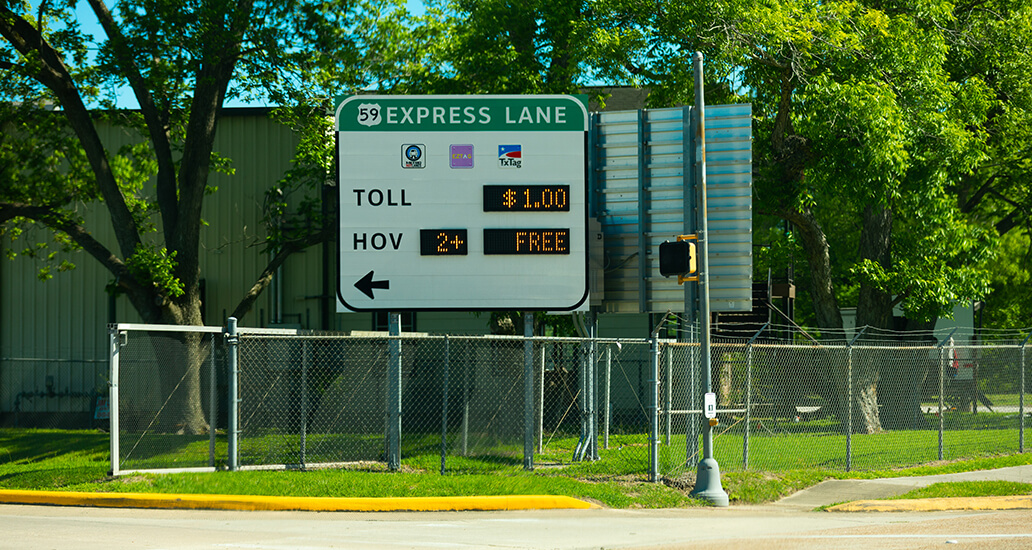
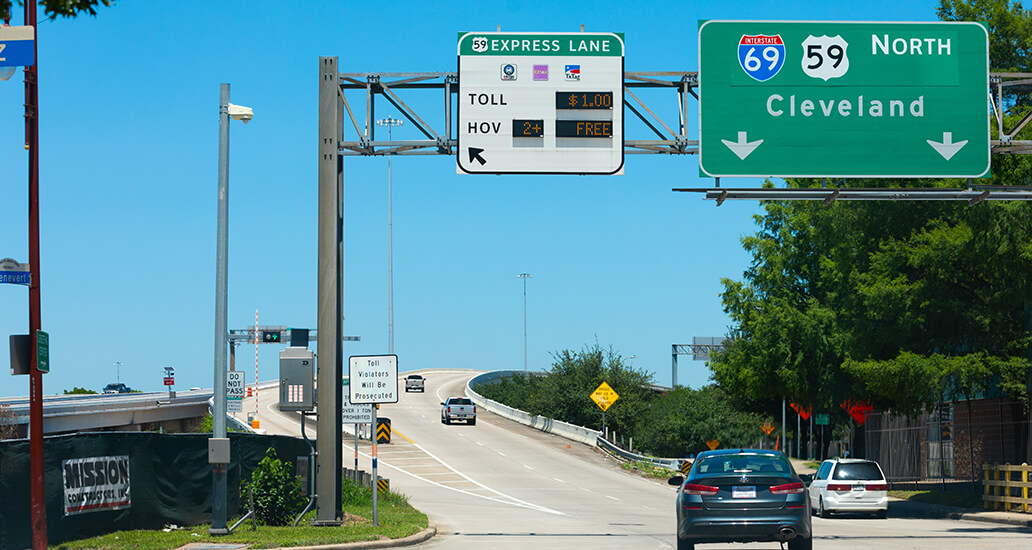
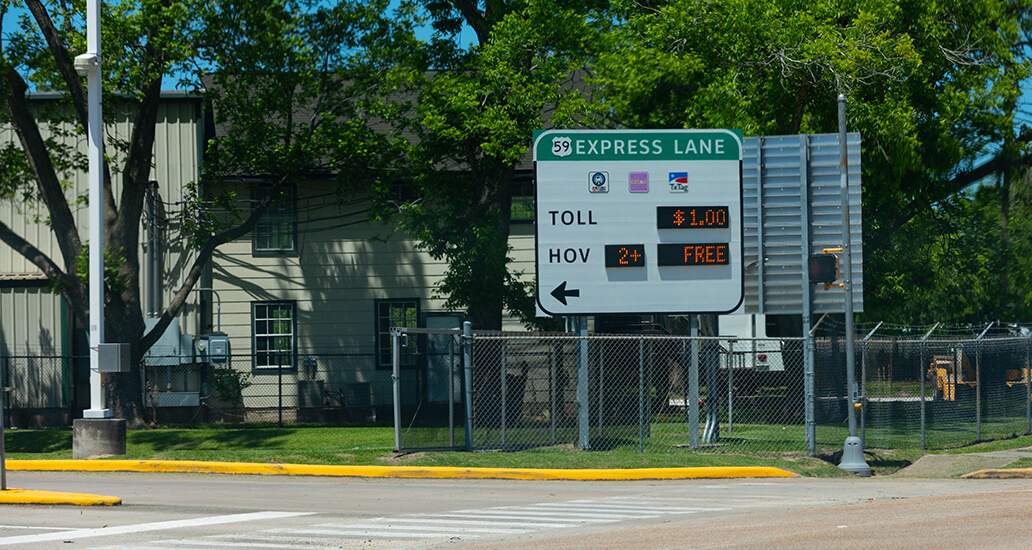
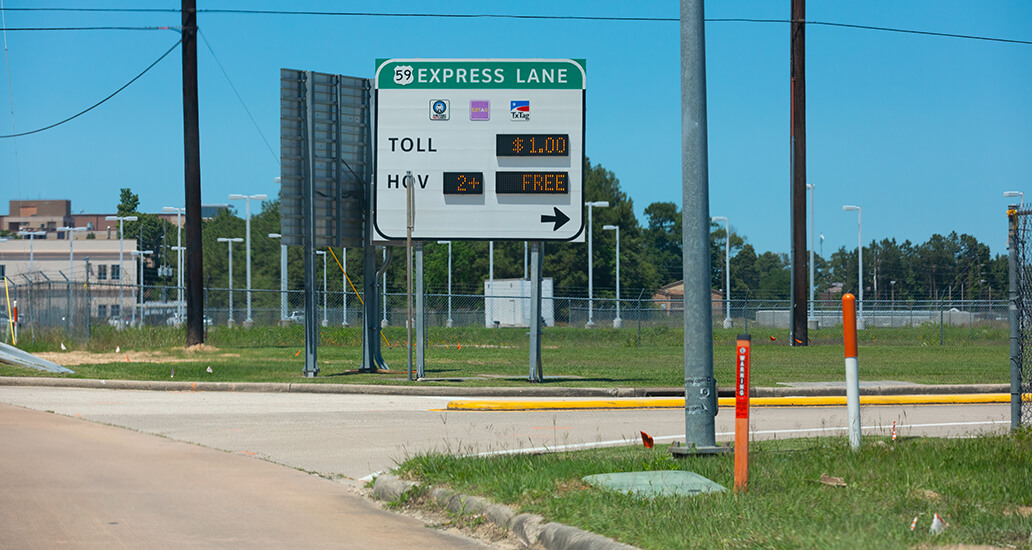
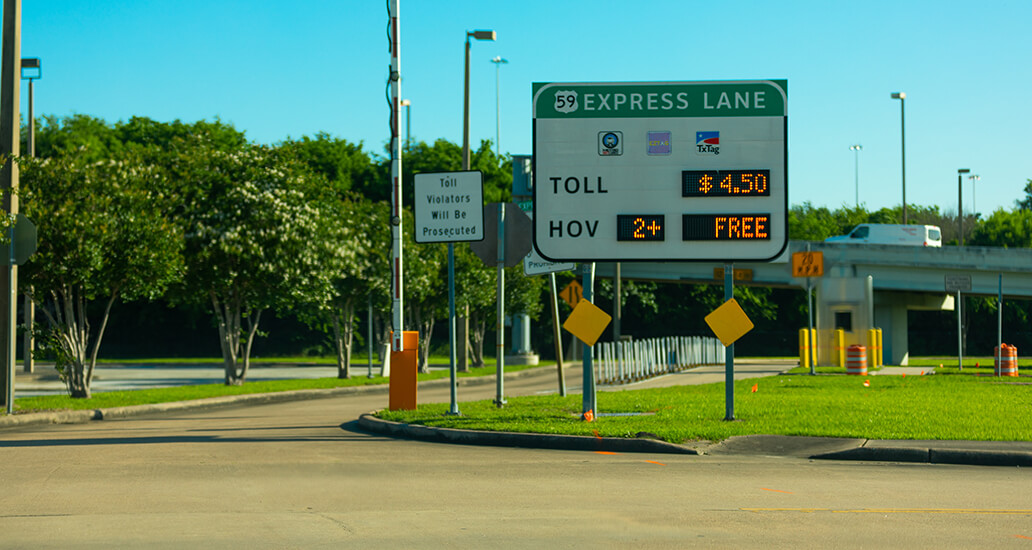
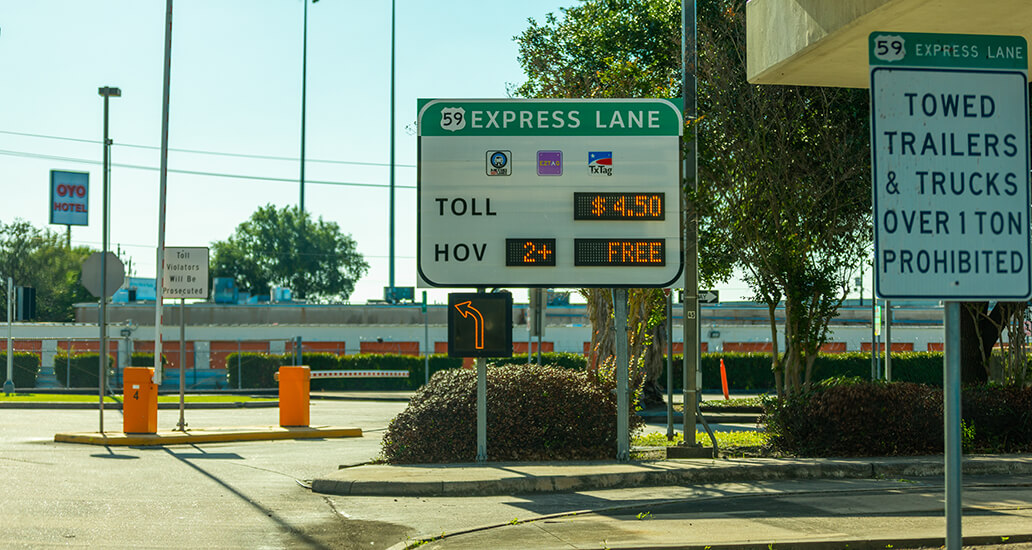
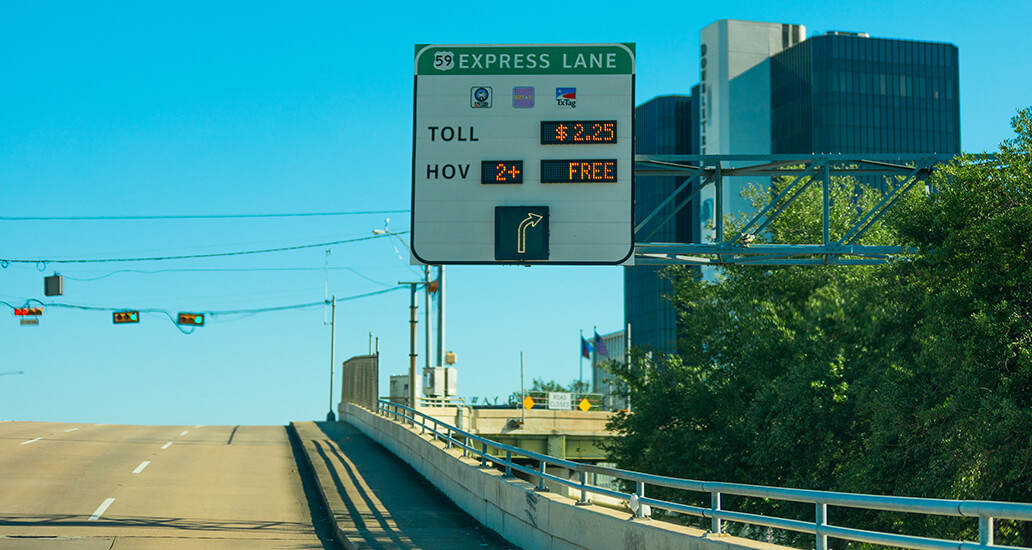
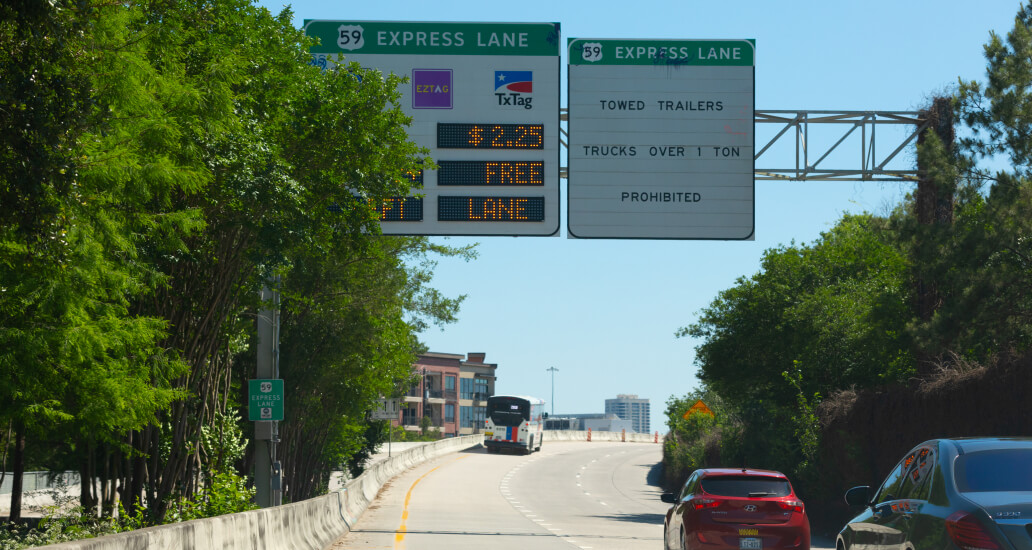
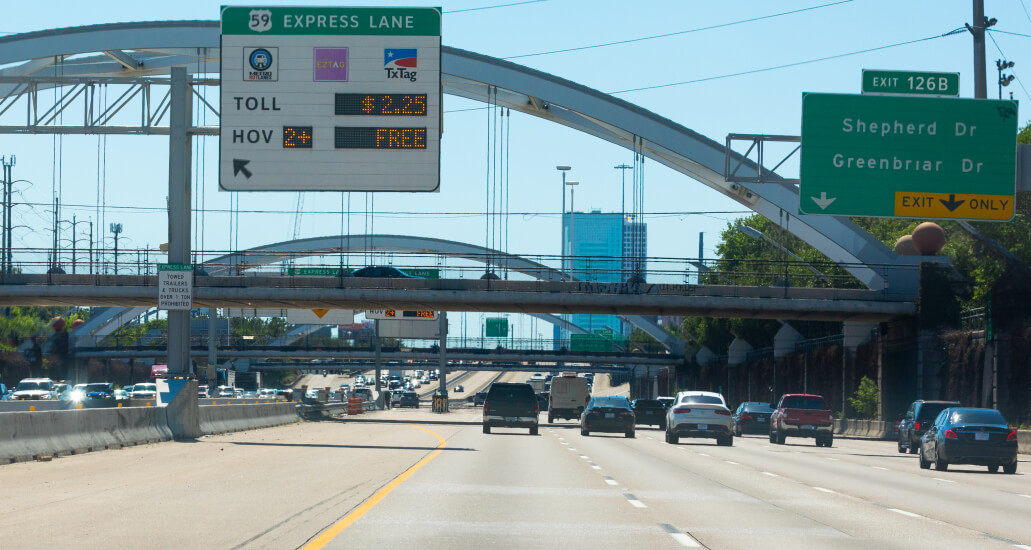
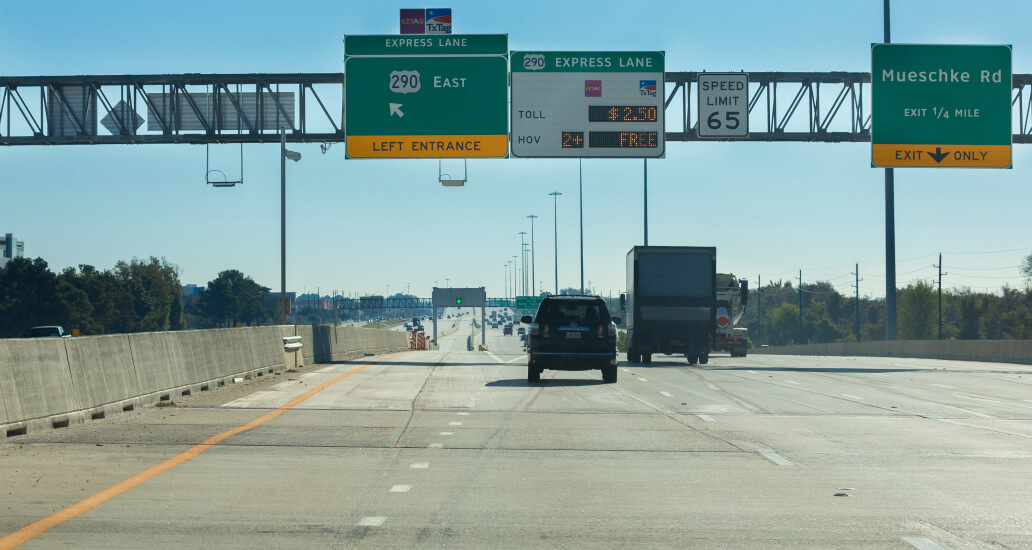
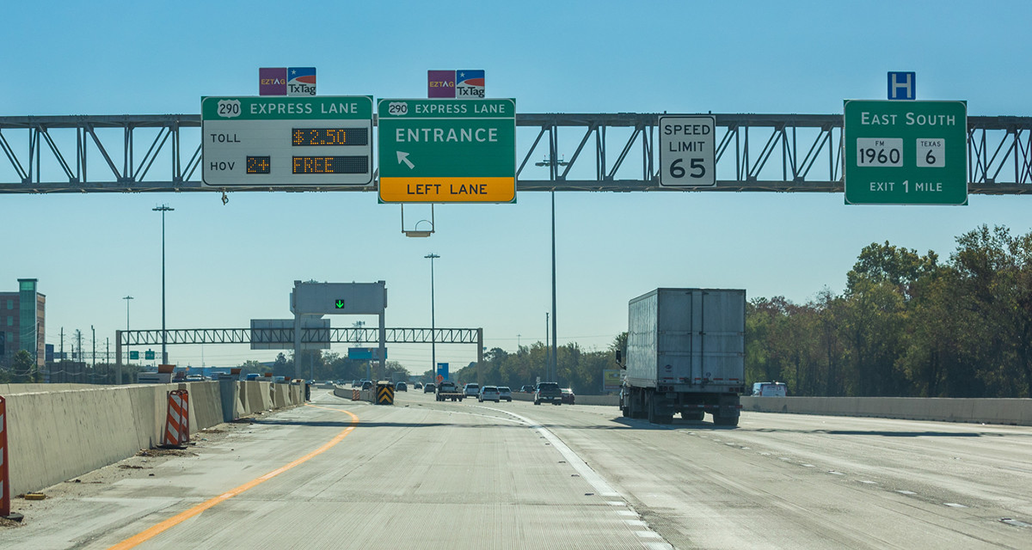
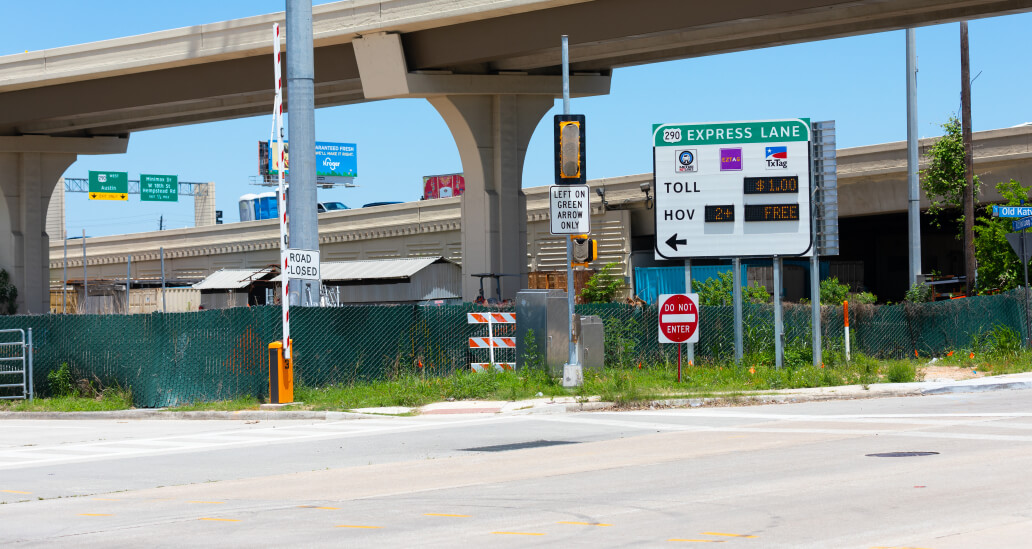
Tolls are based on time of day and the congestion level of each METRO HOT Lane. METRO will publish the toll rate for specific corridors prior to opening, and tolls will be prominently displayed along each corridor.
METRO will actively monitor the lanes to ensure optimal travel times for existing HOV Lane users as well those using the METRO HOT Lanes.
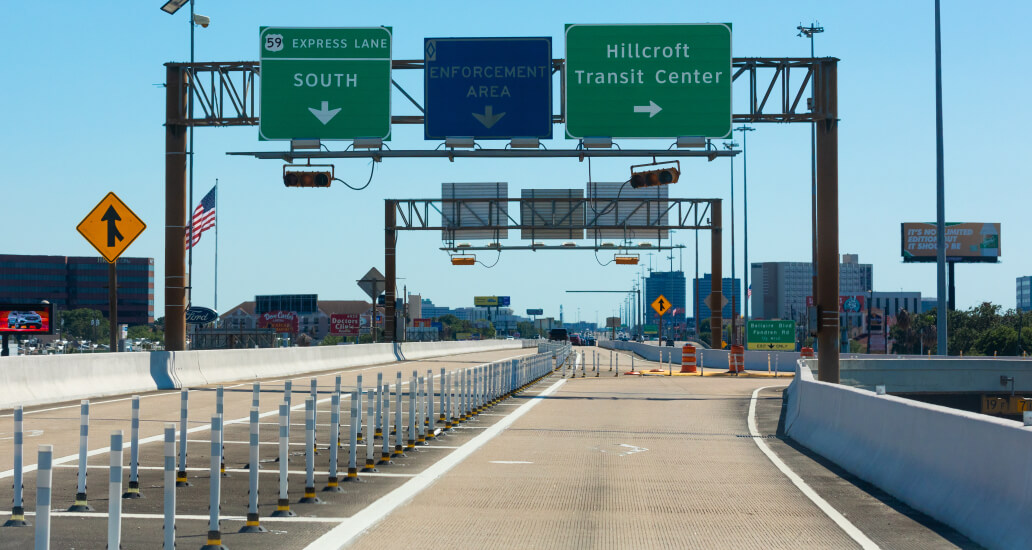
6. Where do I access the METRO HOT Lanes?
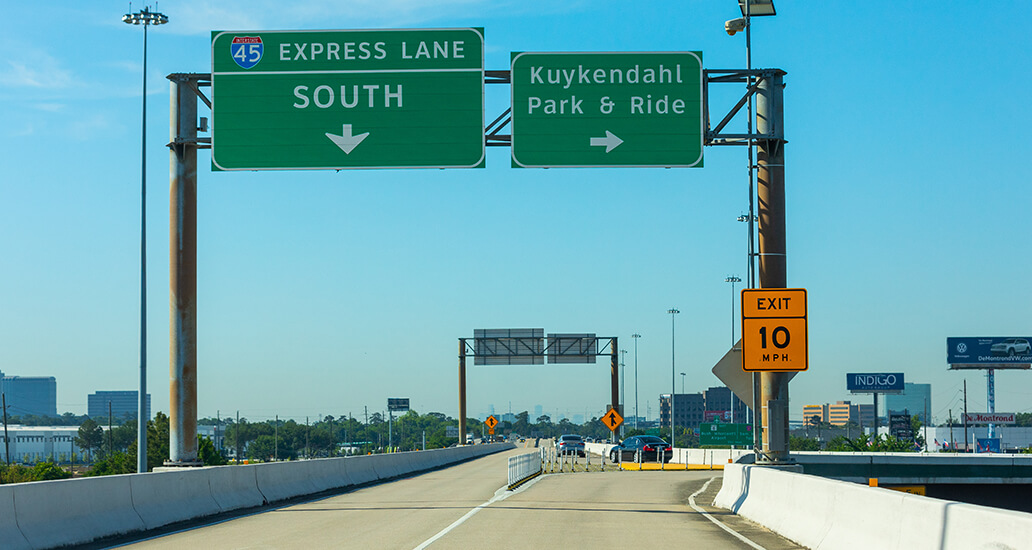
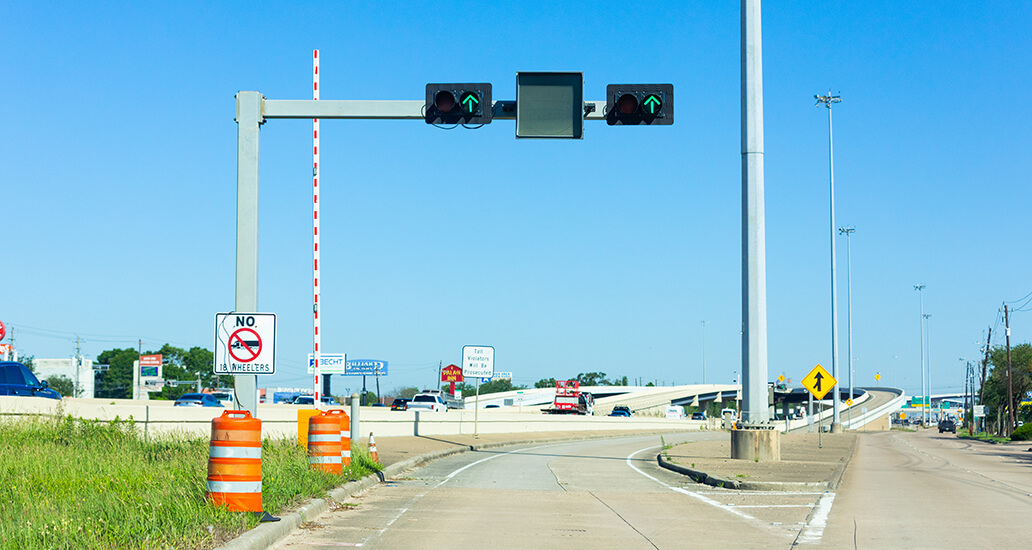
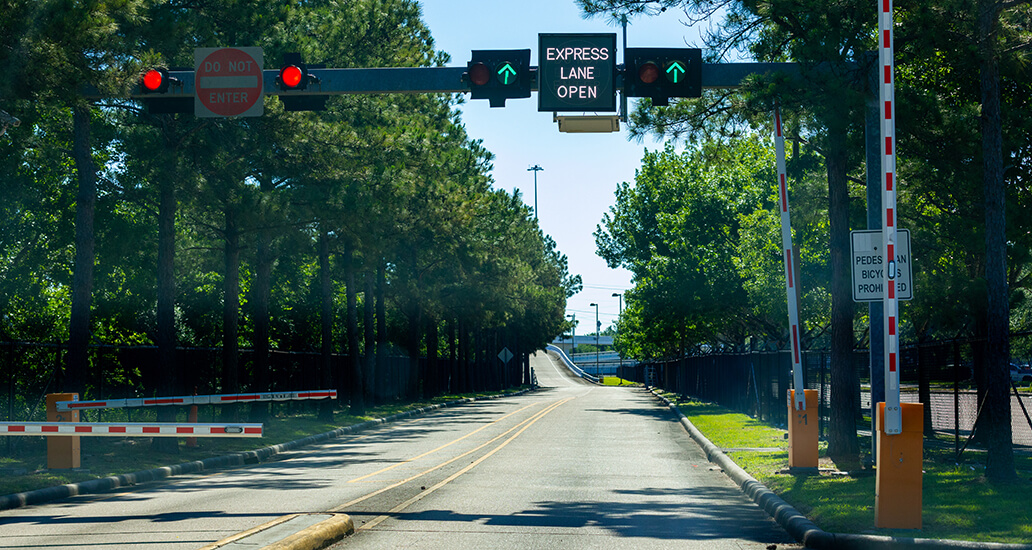
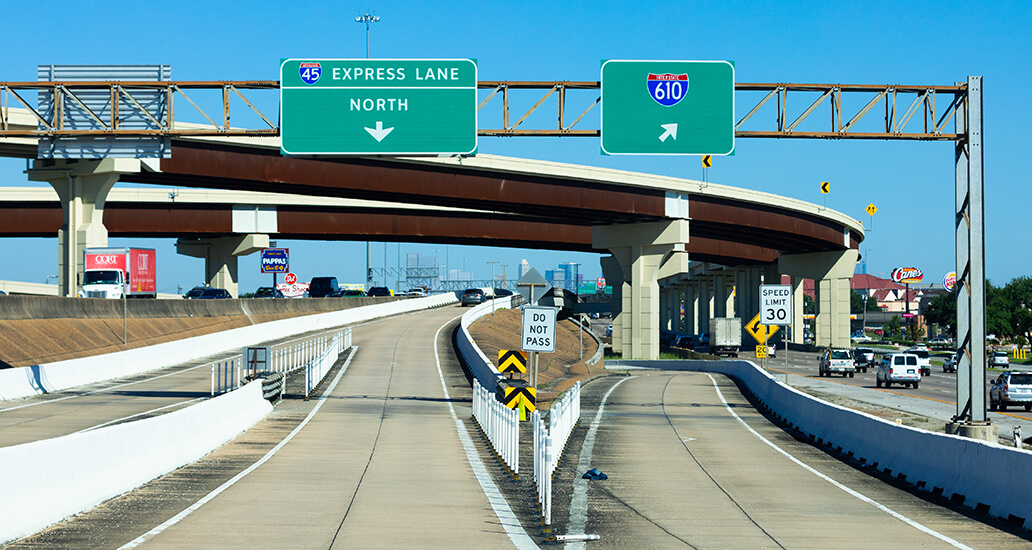
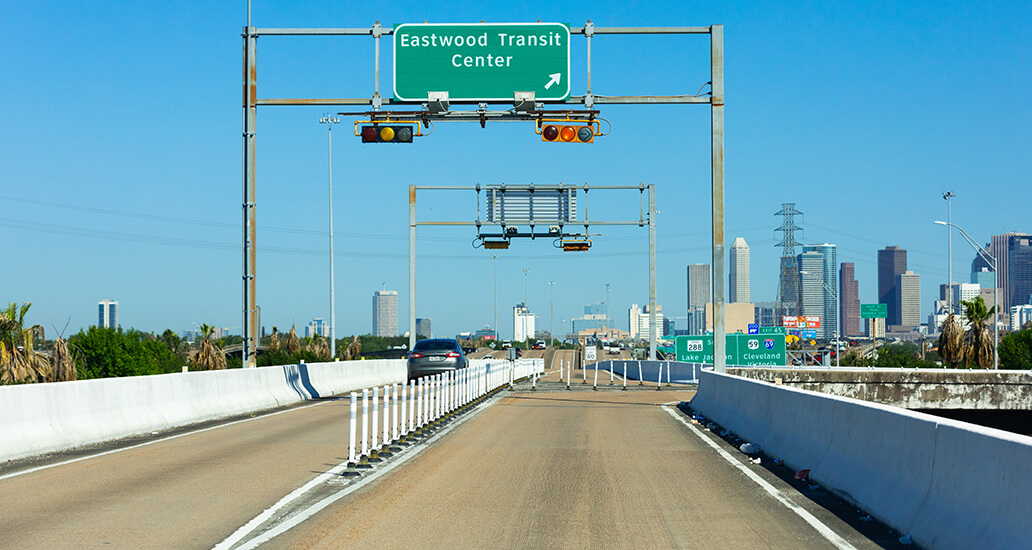
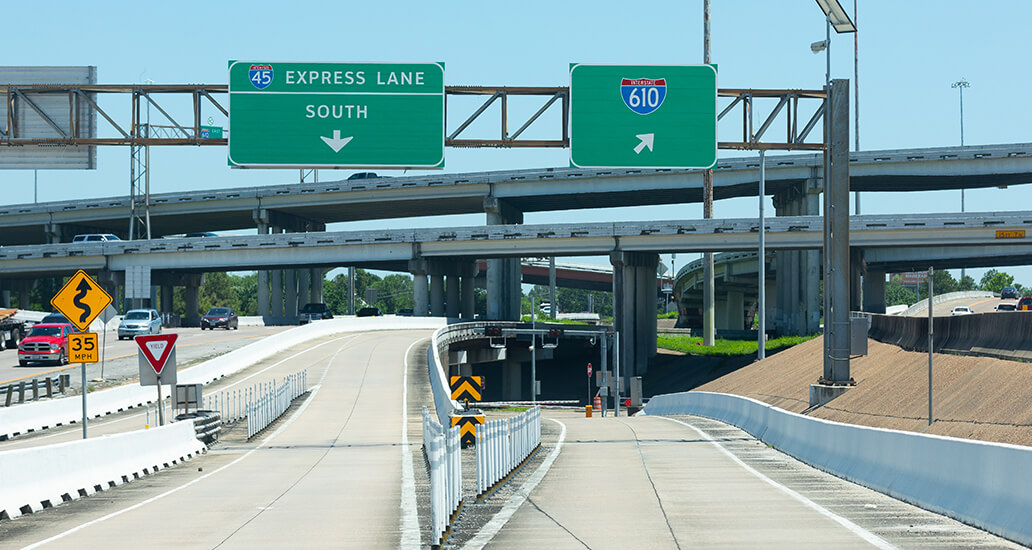
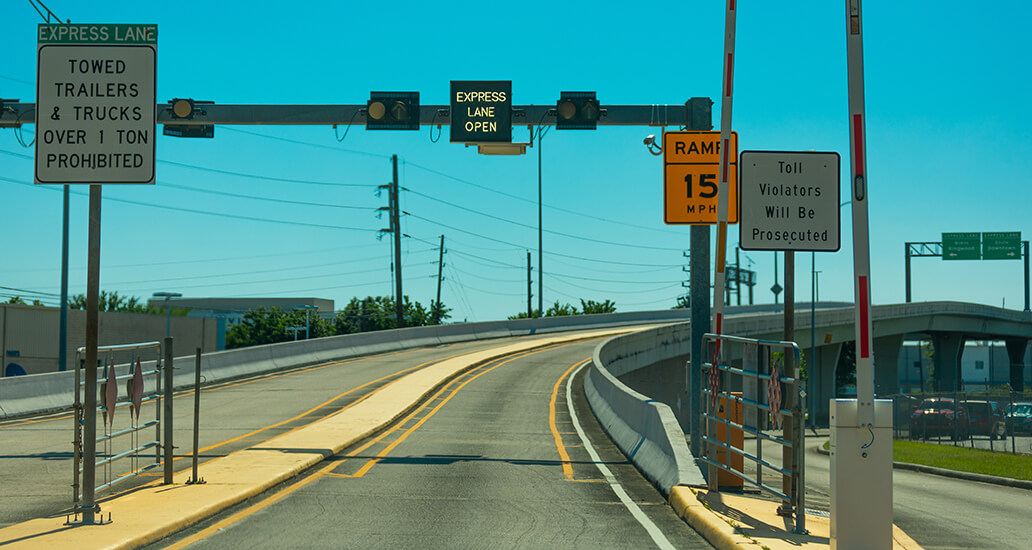
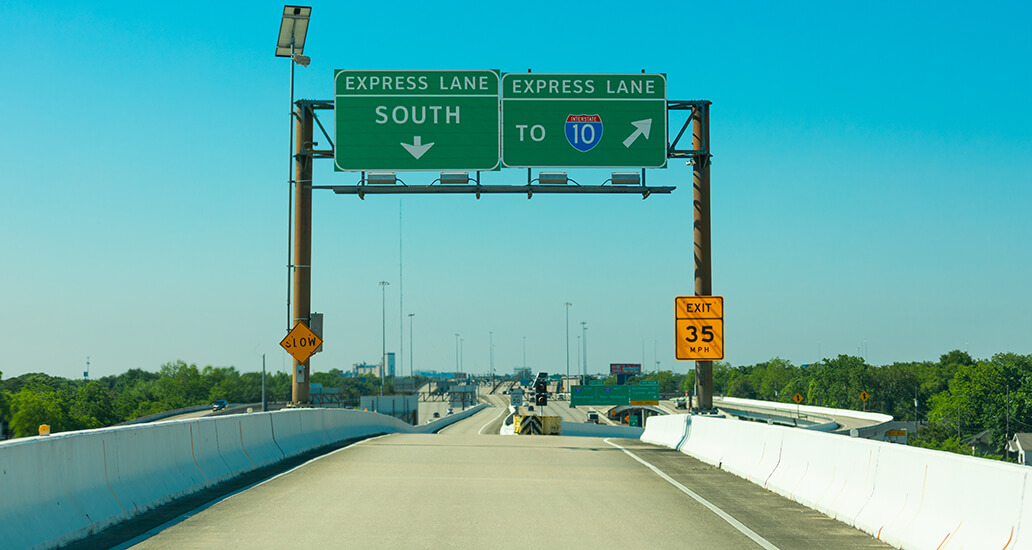
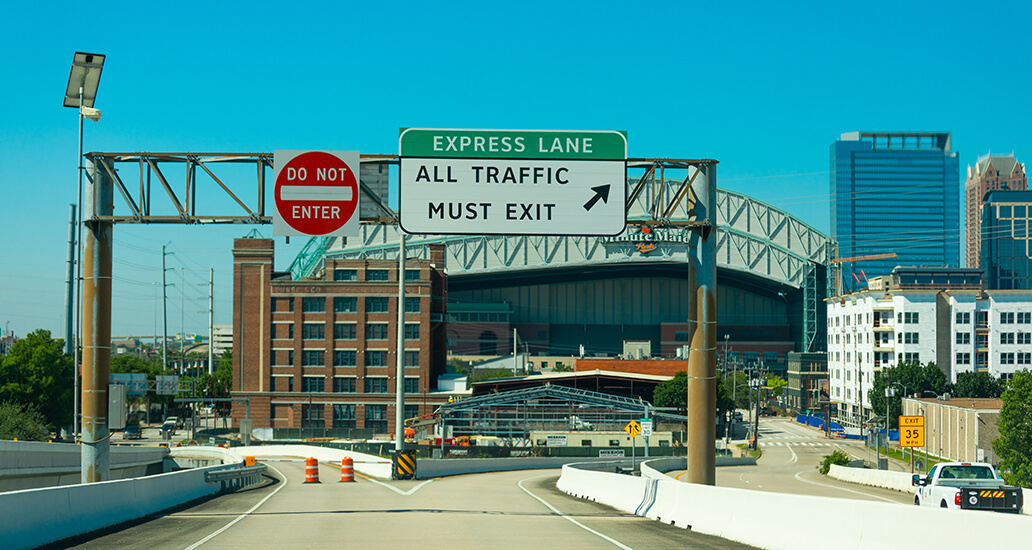
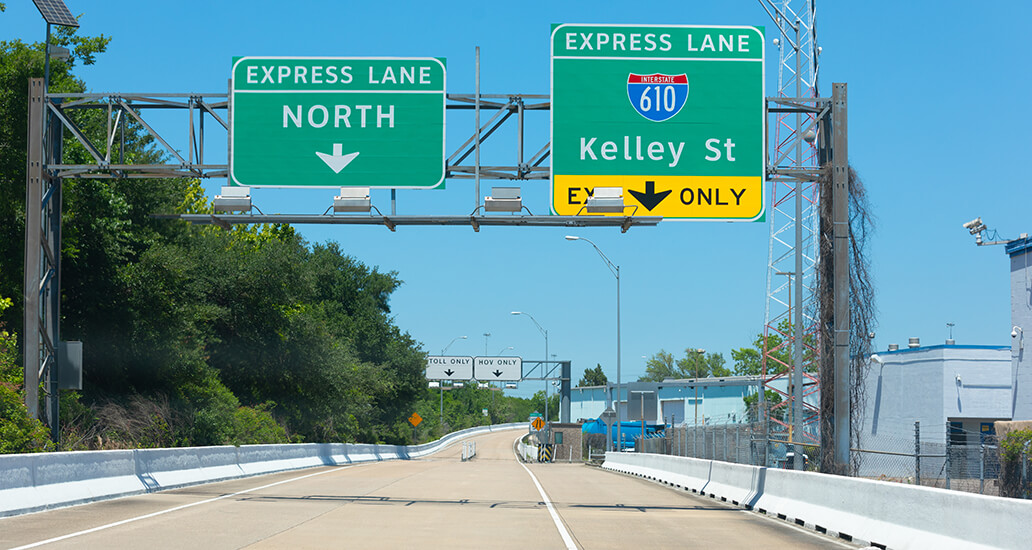
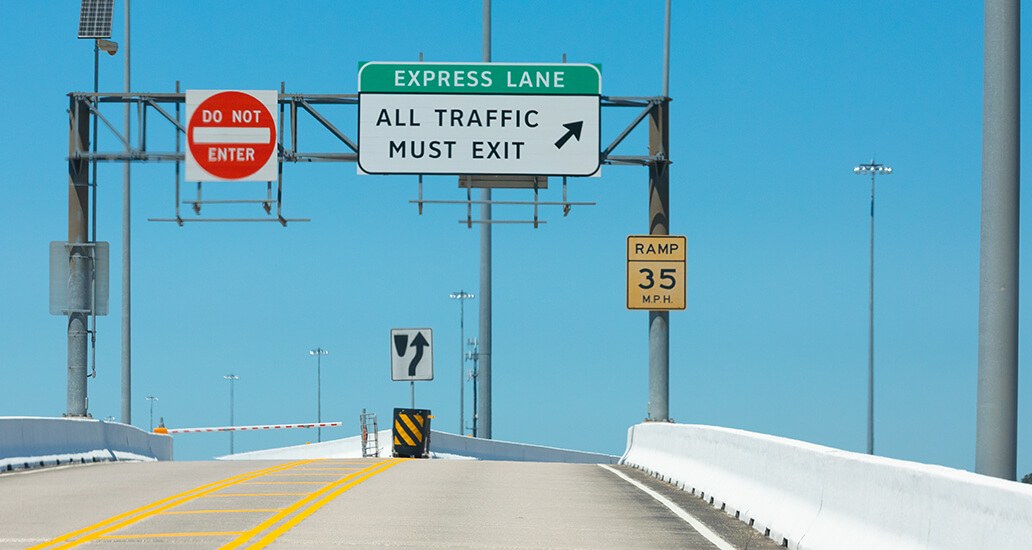
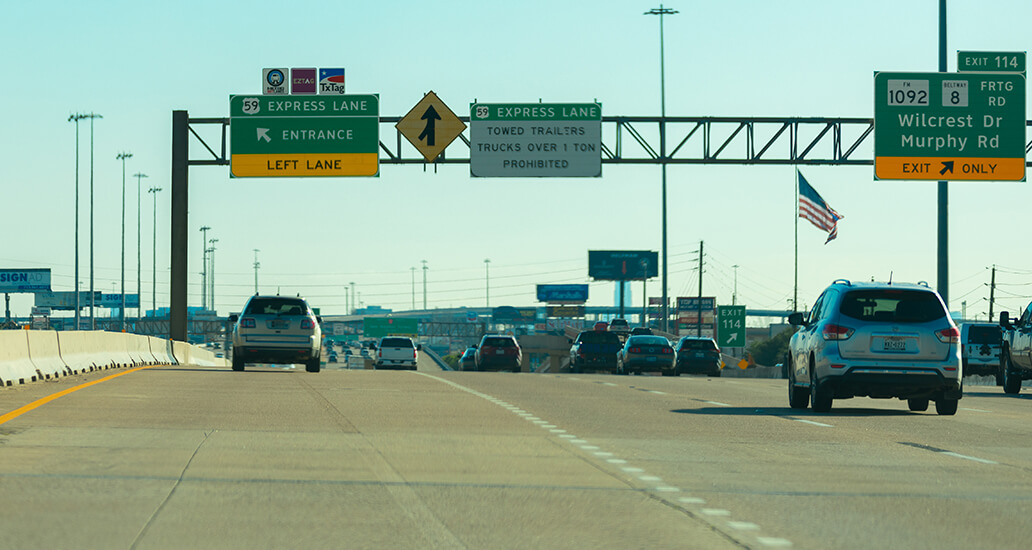
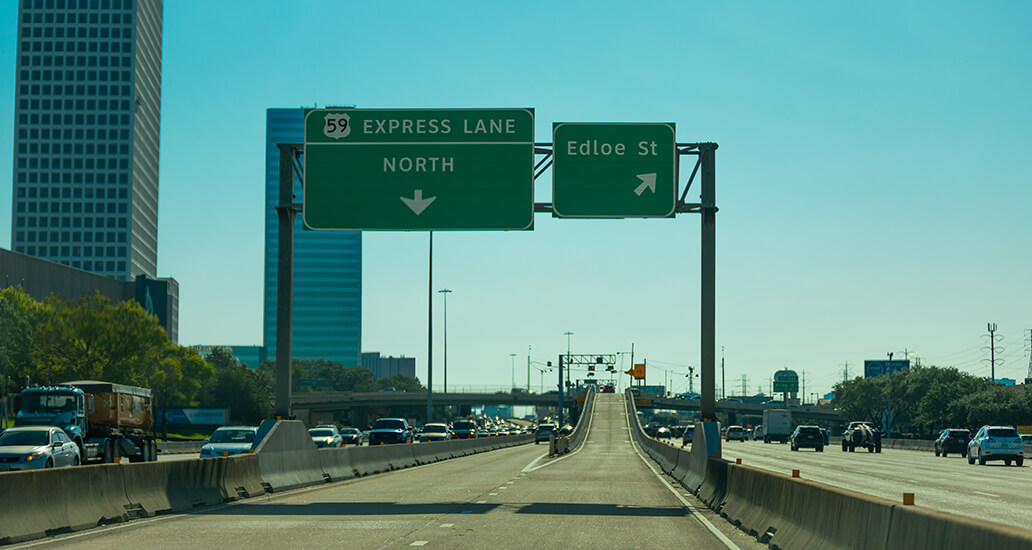
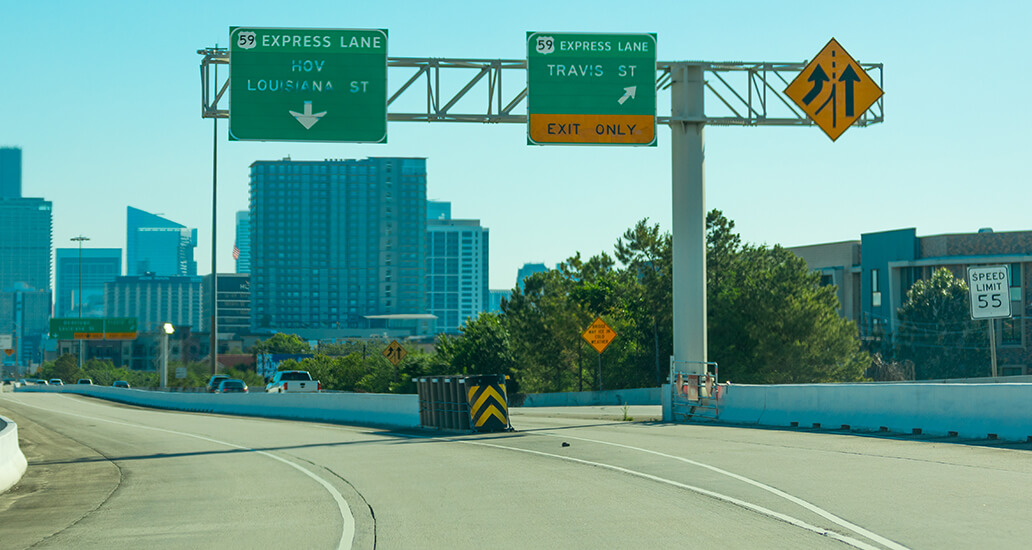
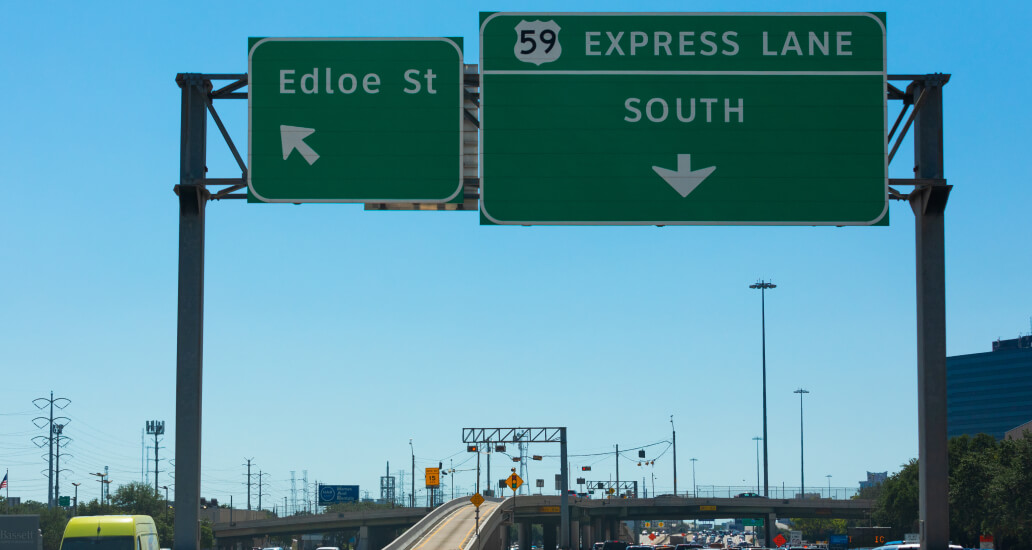
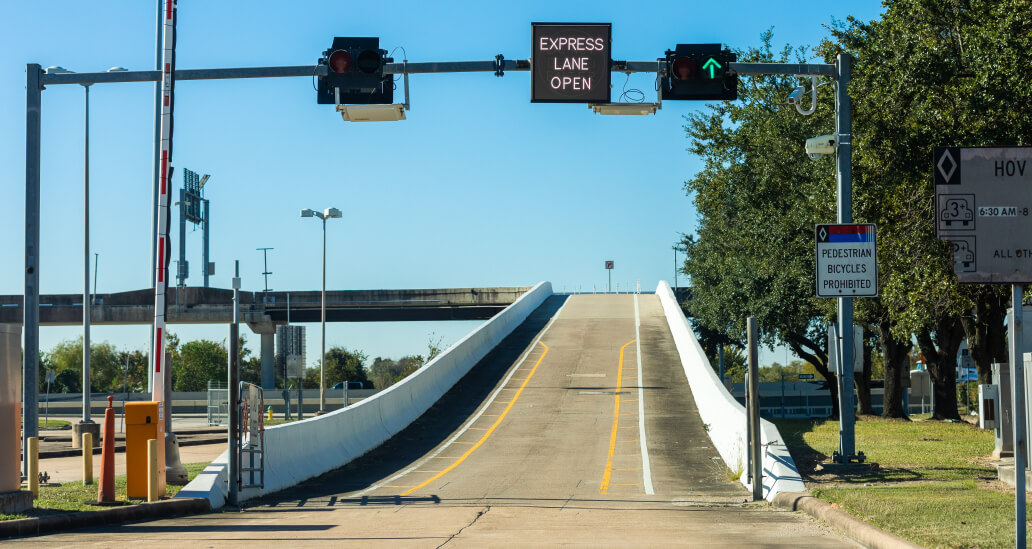
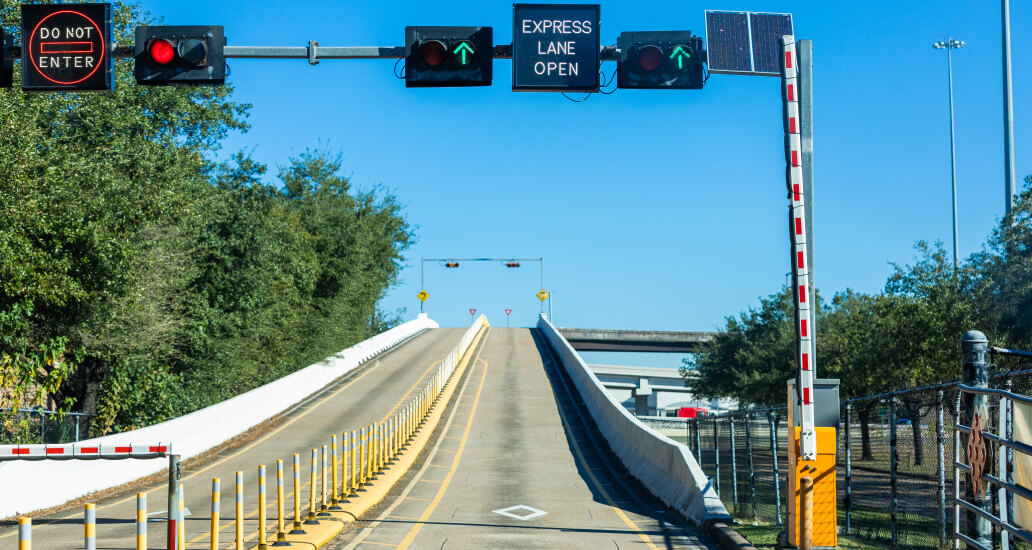
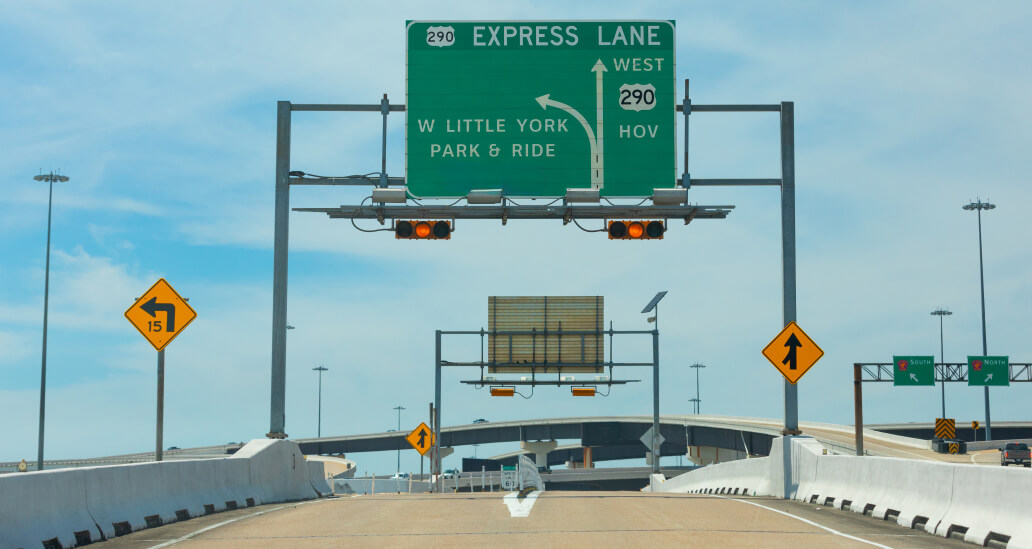
Entrances are the same as existing HOV Lane access points. These are outlined on METRO’s website, here.
7. Where do I get a METRO Toll Tag?
METRO HOT Lanes Toll Tags will be available for purchase online at www.ridemetro.org, and at METRO’s Travis Street RideStore, 1001 Travis.
8. How much will METRO HOT Lanes Toll Tags cost, and is there a minimum amount I need to put on the tag?
Individuals must open a METRO HOT Lanes Toll tag account with a one-time initial cost of $15 for the tag. A minimum amount of $40 must be applied to the tag upon purchase for use within the lanes.
9. Can I use my EZ Tag on METRO’s HOT Lanes?
Yes. METRO HOT Lanes users will have a choice of using a METRO HOT Lanes Toll Tag, Harris County EZ TAG, TxDOT’s TxTAG or the Dallas NTTA Toll Tag.
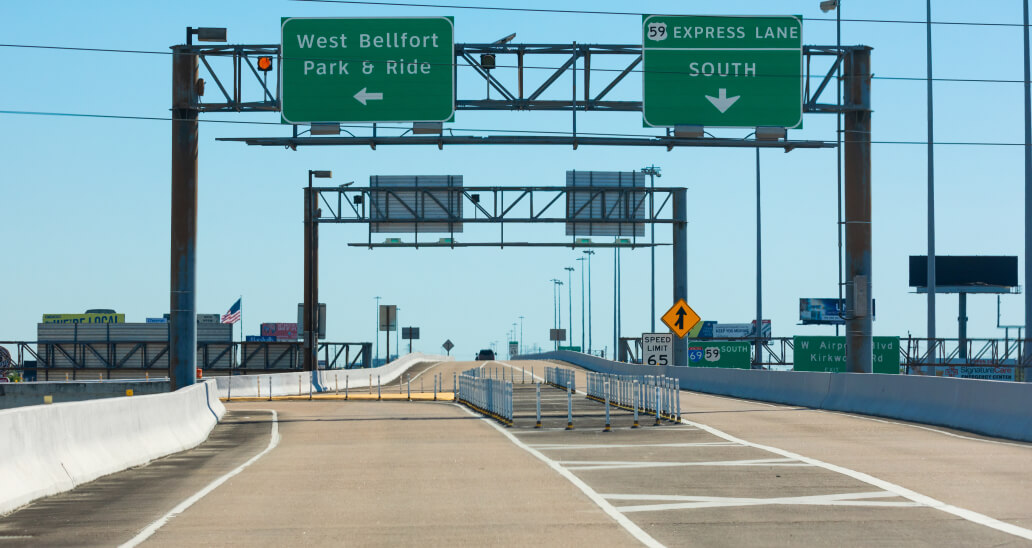
10. How do I pay my METRO HOT Lanes toll?
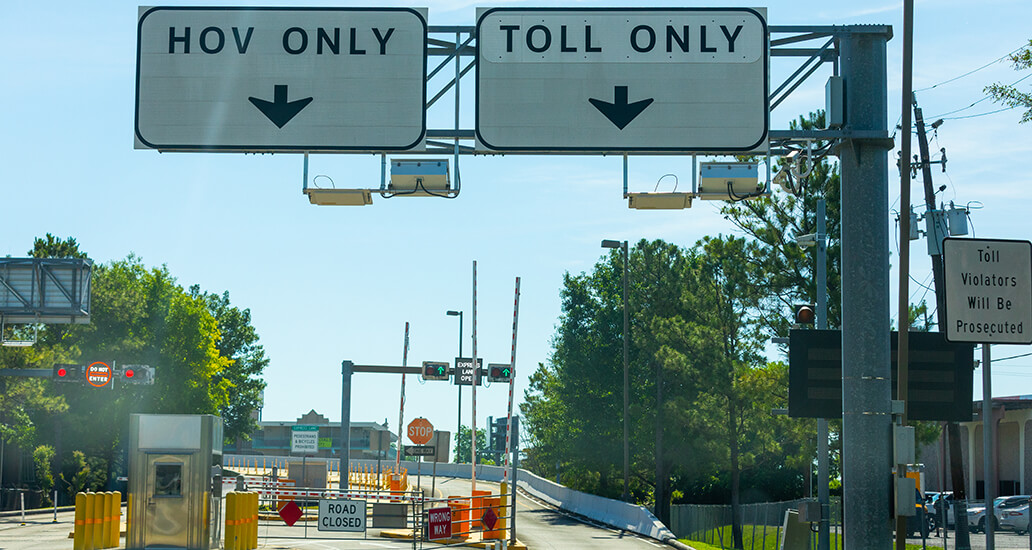
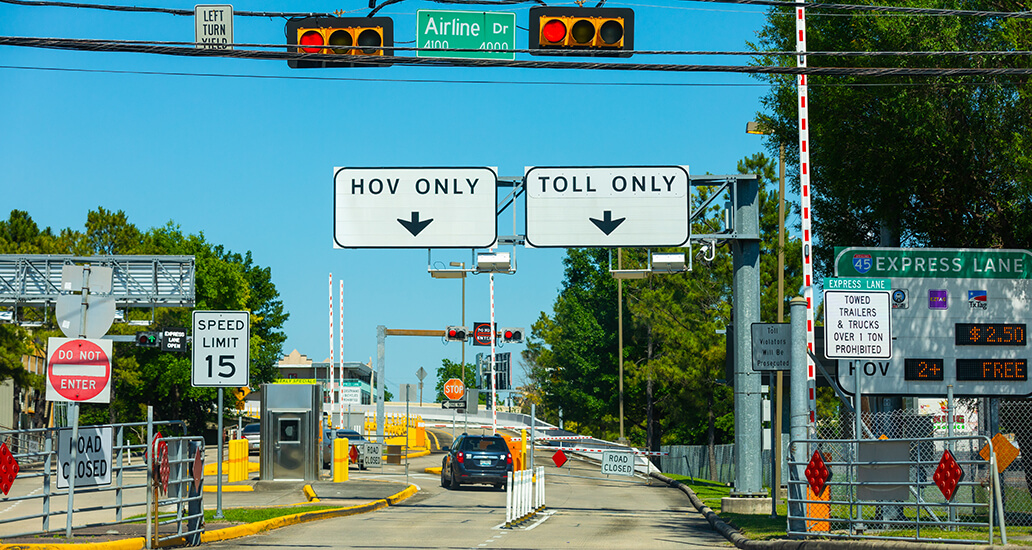
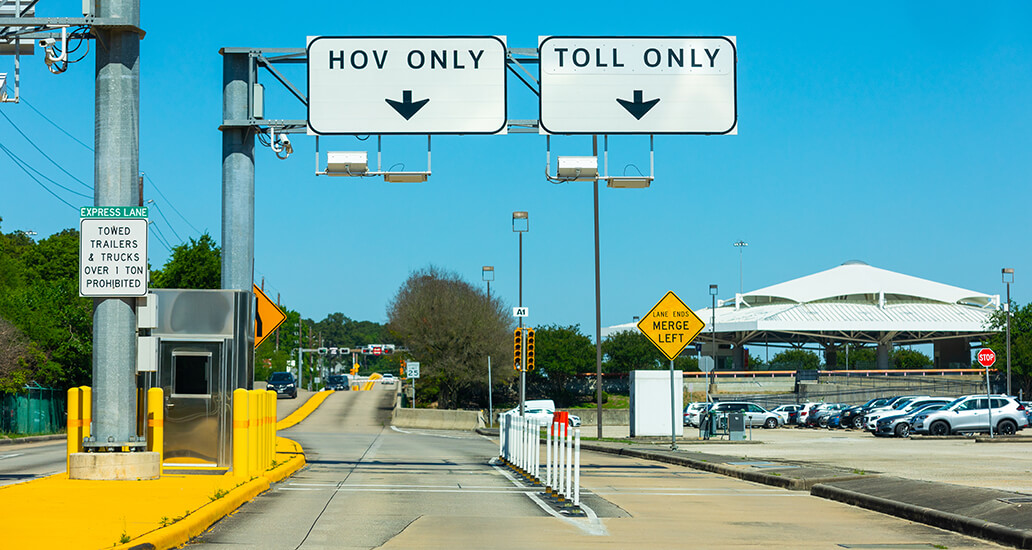
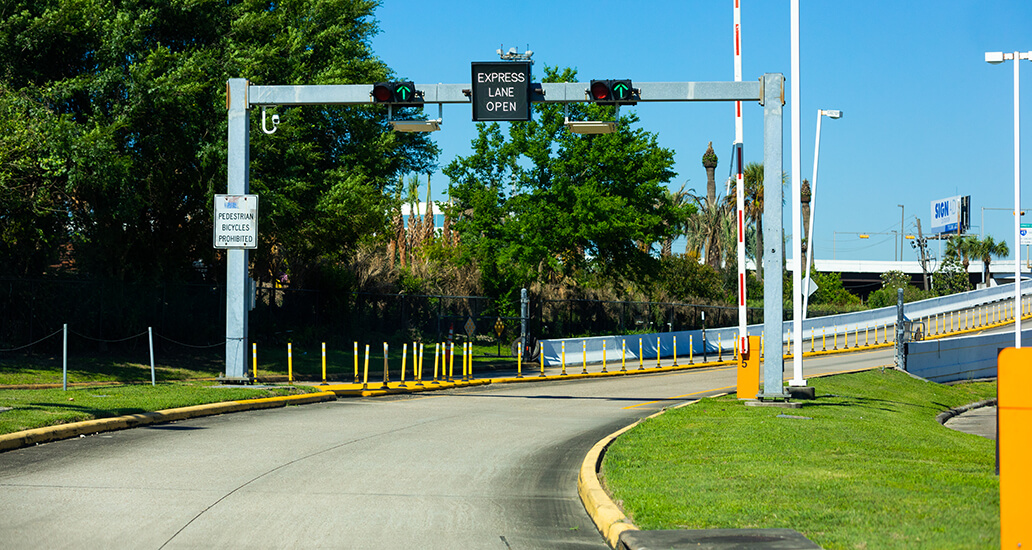
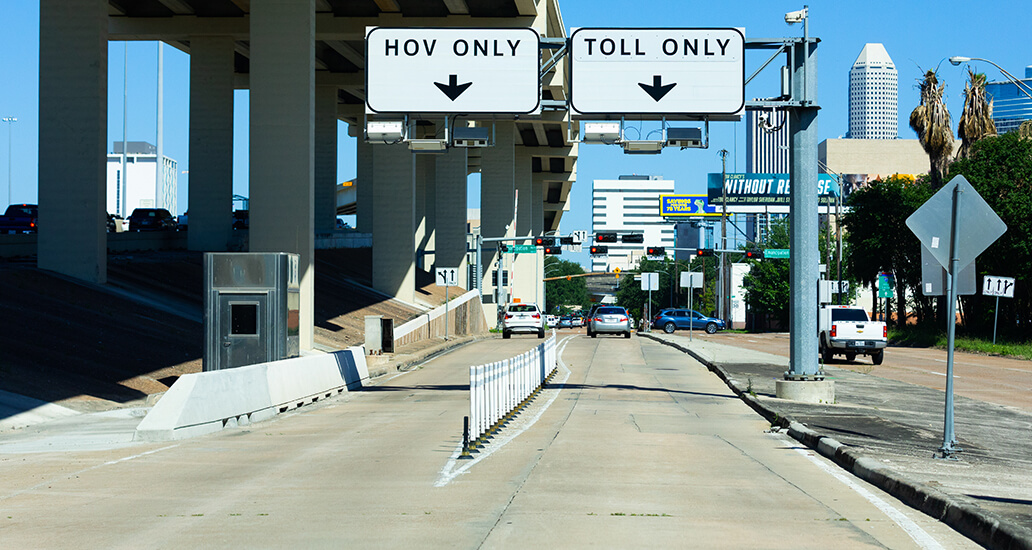
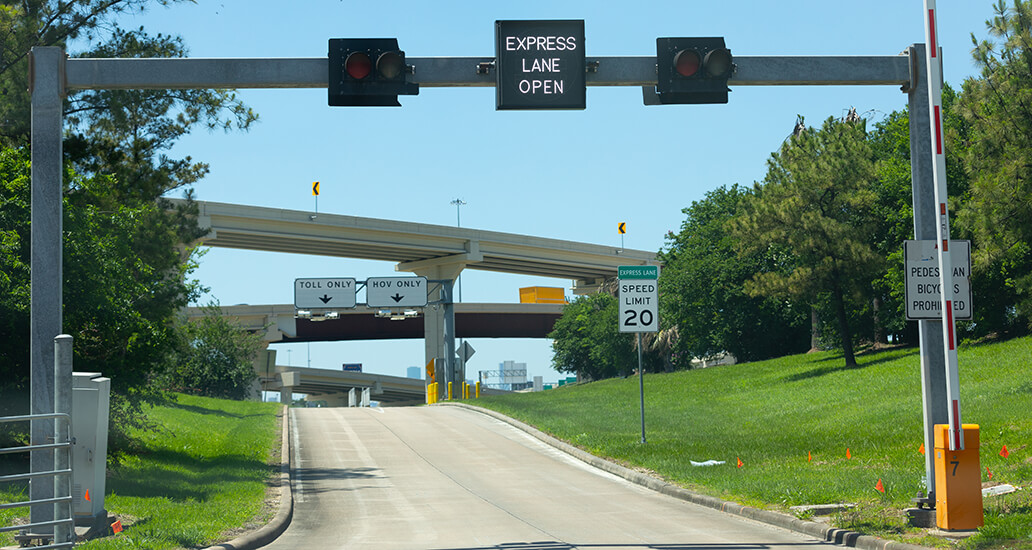
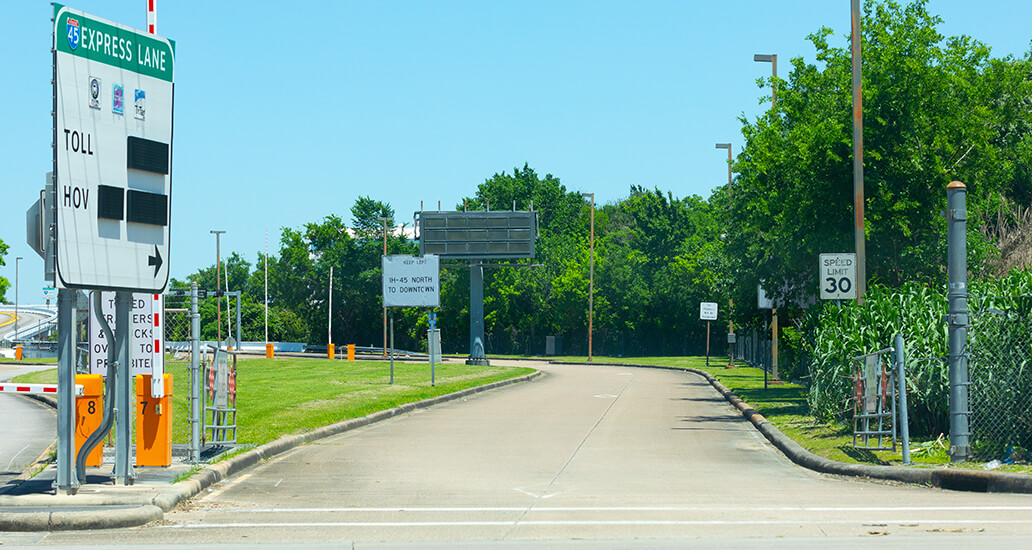
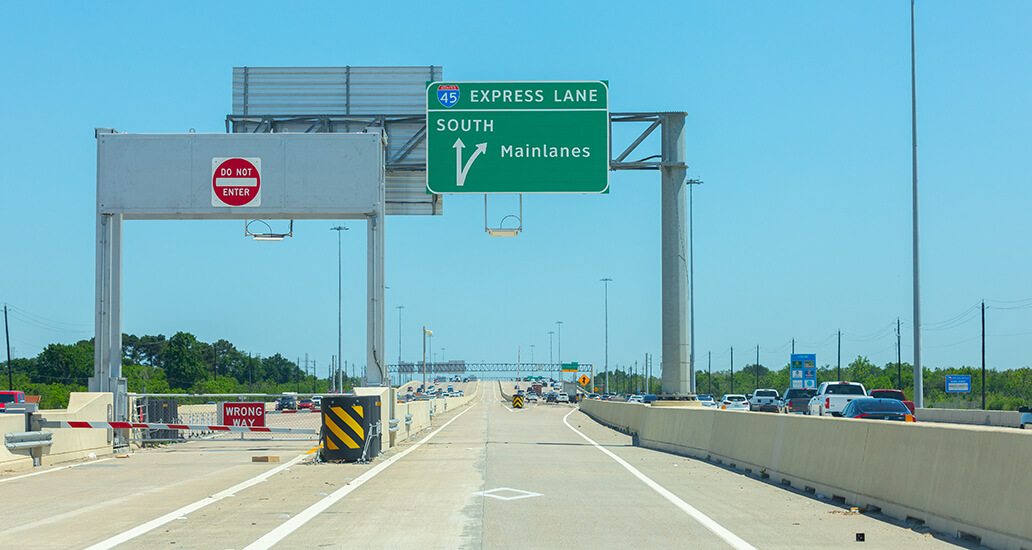
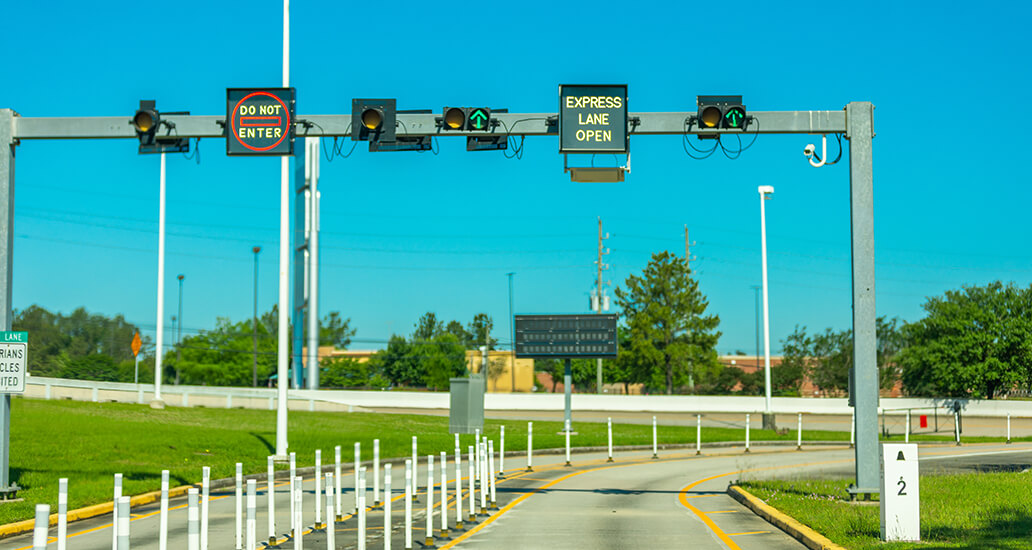
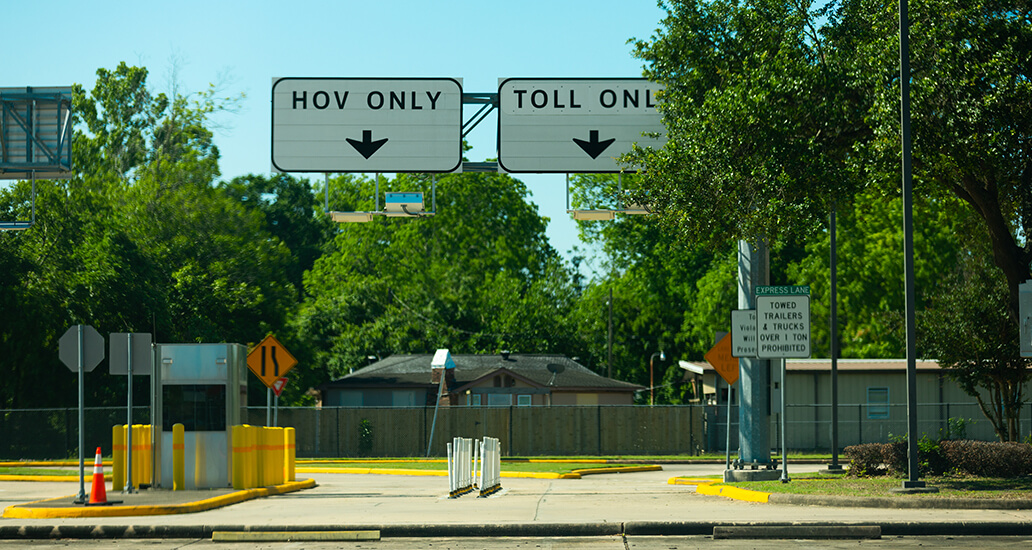
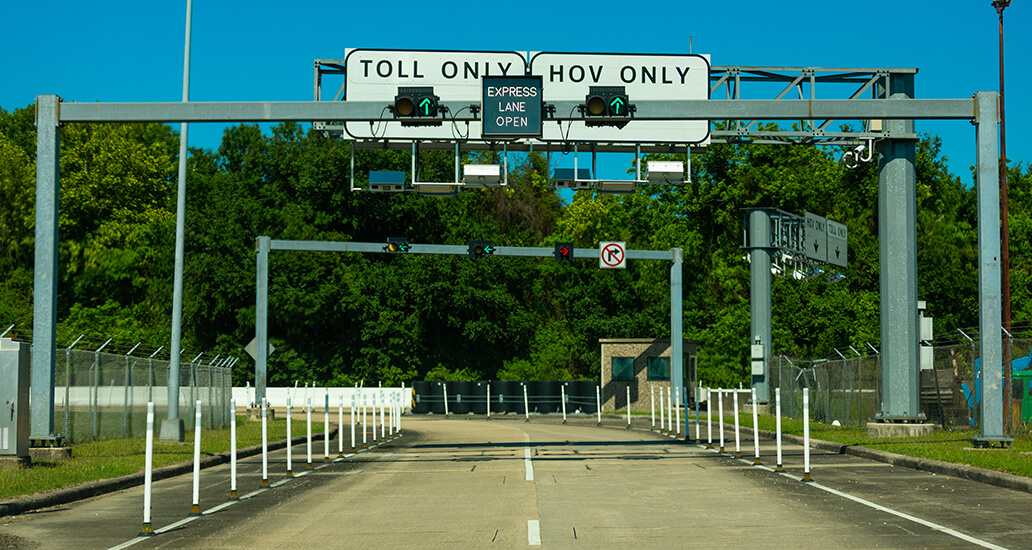
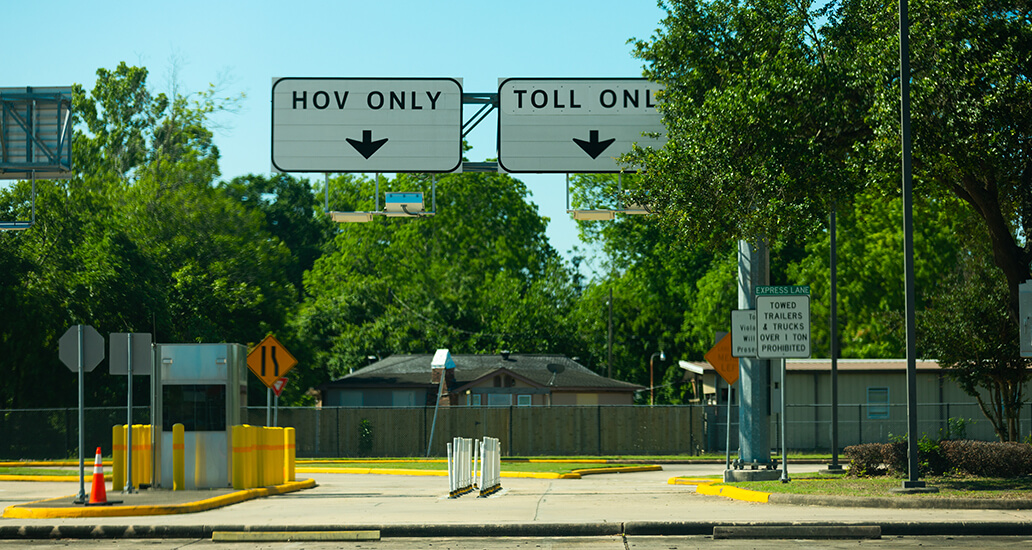
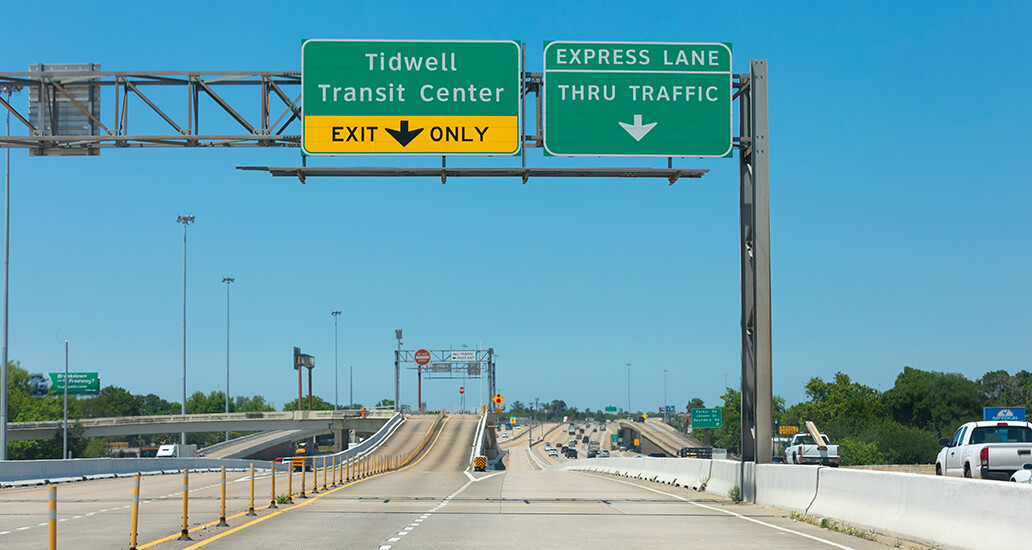
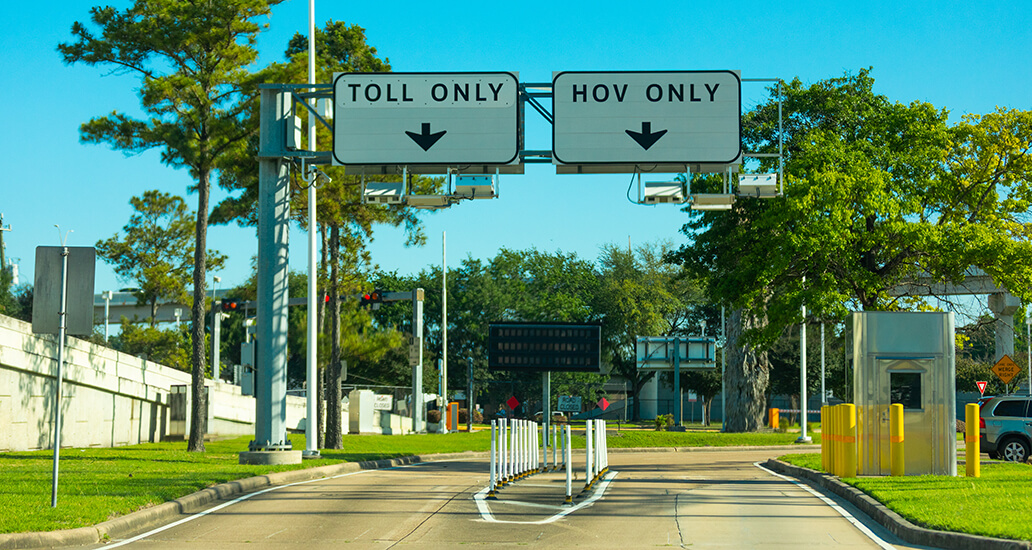
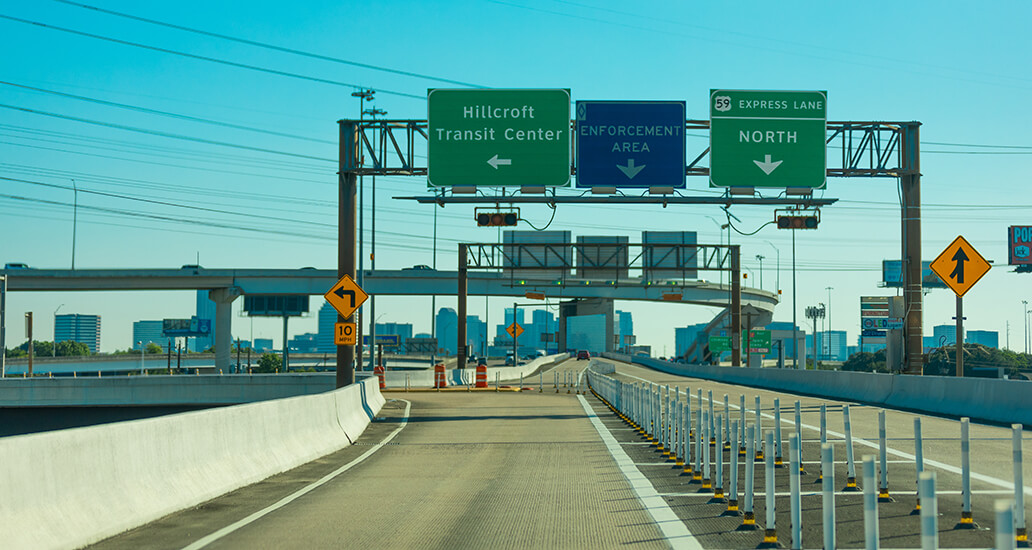
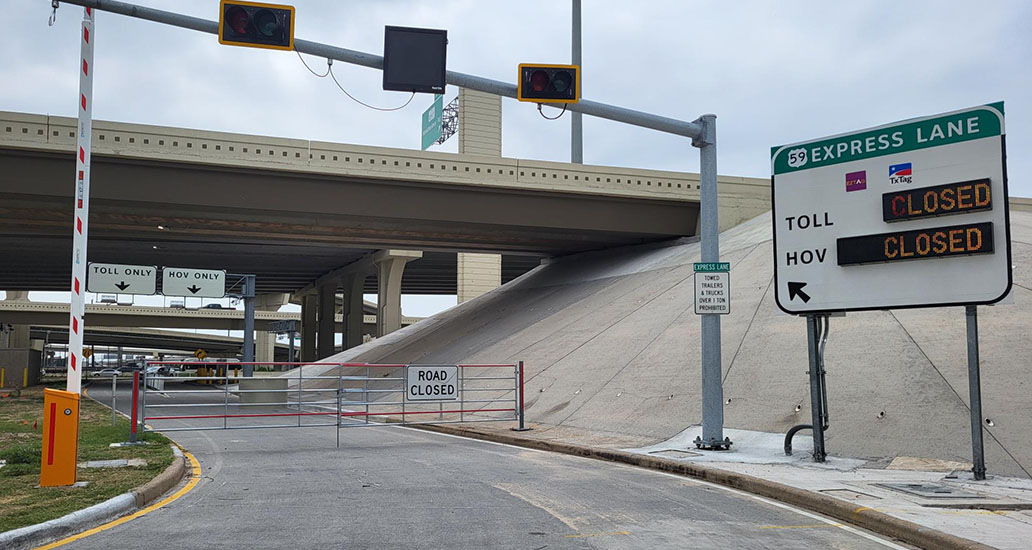
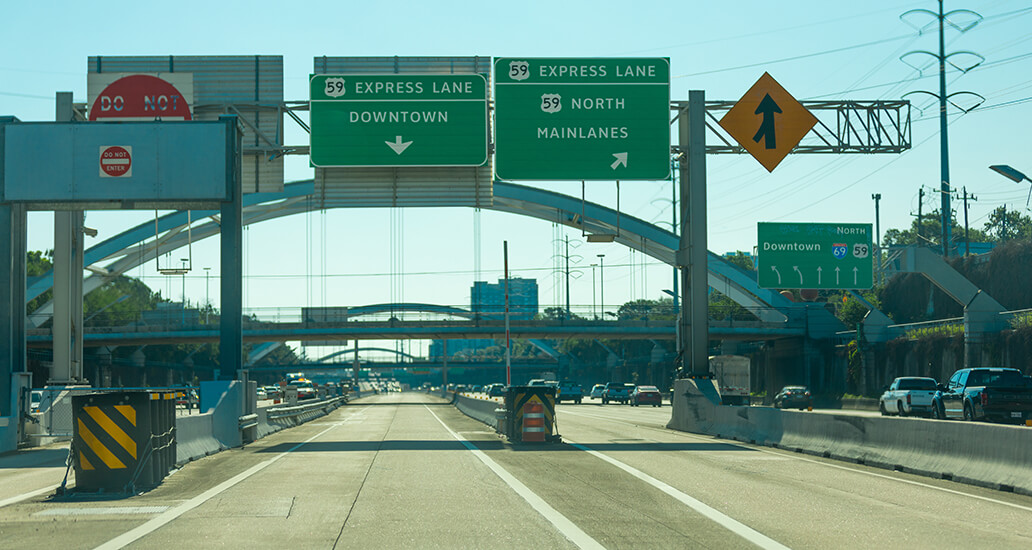
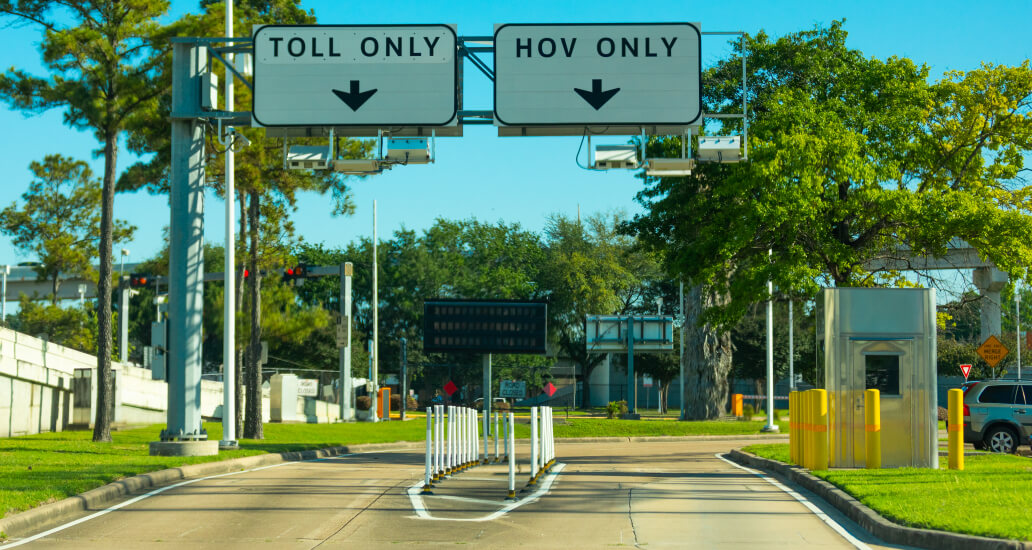
Clearly marked in each METRO HOT Lane are verification lanes where drivers must declare whether they have passengers or not. At verification points, the lane will briefly become two lanes – all METRO HOT Lanes users must declare single- occupant status by moving to the lane marked “TOLL ONLY”. Vehicles driving through this lane will automatically be charged the METRO HOT Lane toll even if they have multiple passengers.
11. If a single-occupant vehicle enters the METRO HOT Lanes and the toll changes during the course of the trip, which toll will be charged?
METRO HOT Lanes users are charged the toll listed when they enter the lane. If the toll price goes up or down during the course of the trip, the METRO HOT Lanes user is charged the price listed upon entering the lane.
12. What if a single-occupant vehicle uses the METRO HOT Lane without a toll tag?
This is considered a toll tag violation. METRO will issue a fine of an $11 administrative fee, plus the outstanding toll to the registered owner of the violating vehicle for each toll violation incident. In lieu of administrative fees, customers have the option of opening a METRO HOT Lanes Toll Tag account and pay only past due tolls.
13. What happens if a single-occupant vehicle drives in the HOV Lane verification lane?
A single driver using a HOV verification lane is considered a toll violation, and METRO Police will issue a violation notice. As an option to avoid automatically sending violators to court, METRO allows the violator to pay a $75 administrative fee rather than the maximum court fine of $250, as is done with an occupancy violation. HOV’s should always use the “HOV ONLY” lane. Vehicles using the “TOLL ONLY” lane will be charged a toll at all times.
14. What happens if a single-occupant vehicle enters the METRO HOT Lanes when they are closed to single drivers?
A single driver’s usage of METRO HOT Lanes when designated for HOV use only is a HOV occupancy violation. METRO will issue a citation and require court appearance. The current fine assessed by the court is $170.
15. Will METRO HOT Lanes users be refunded if there is an accident in the HOV Lane?
No. While you will not receive a refund if there is an accident in the HOV Lane, camera-monitoring systems are installed for faster response times to accidents and removal of obstructions.
16. How will the money from the collected toll revenue be used?
Money collected from tolls contributes to the operation, maintenance and enforcement costs of the METRO HOT Lanes.
Driving the METRO HOT Lanes
1. Have speeds in the HOV Lane slowed with the addition of solo drivers?
Daily traffic data does not suggest that speeds in the HOV Lanes have dropped due to solo drivers; however, speeds on the HOV Lanes - even corridors that have not been converted to HOT Lanes - have dropped in general.
For example, the average speed on the IH-45 South HOV/HOT lane is 59 mph from 5 - 6 a.m. and 54 mph from 6 - 7 a.m. Between 5 - 6 a.m., there is an average of 32 solo drivers and 240 solo drivers between 6 - 7 a.m. Even with the significant increase in METRO HOT Lanes users during the 6 - 7 a.m. period, the average speed changes very little.
One of the key reasons for slower speeds is additional cars/drivers on the roads (HOV/HOT Lanes and the main lanes), due to a pick-up in the economy. Traffic counts for all corridors are up almost 10 percent in the lanes.
With more people going to work each day, the additional cars create slower speeds across every corridor. It’s truly a double-edged sword – more people are working, but more people driving to work create more traffic.
2. Why are the METRO HOT Lanes not open during the peak periods of traffic when solo drivers need them most?
First and foremost, the HOV/HOT Lane system will always give precedence to HOV users. The METRO HOT Lanes were designed to make better use of available space on the HOV Lane during periods of time when traffic is not at its peak. (How annoying is it to be stuck in a freak 2 p.m. accident only to see an empty HOV Lane?) Unfortunately, if the METRO HOT Lanes were open at the peak periods, so many people would be in the lane, it would eliminate any time-savings for everyone involved.
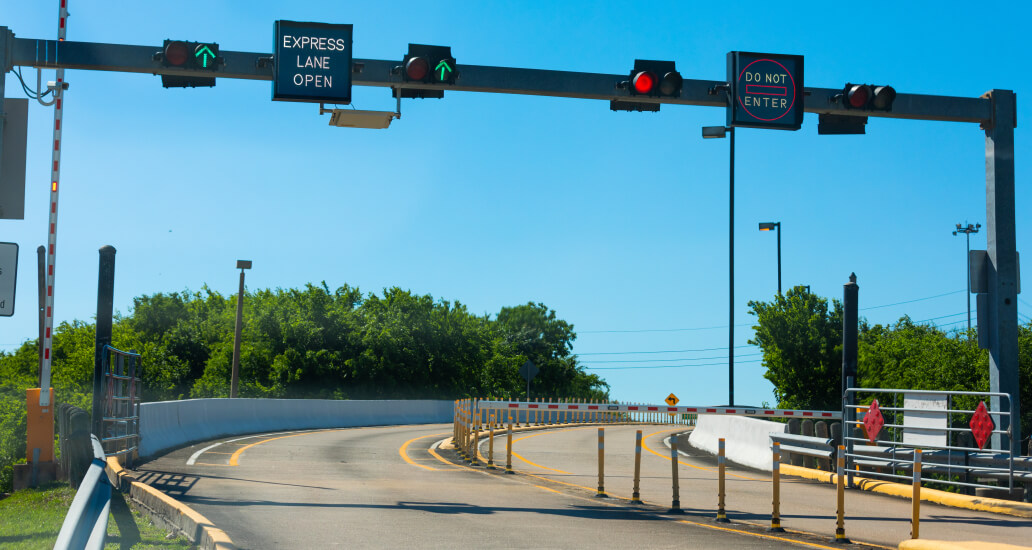
3. Why are the HOV/HOT Lanes not open 24/7?
Good question. Because of limited freeway space the HOV Lanes in Houston (except for the Katy Freeway) are reversible. This means they can only be opened in one direction at a time (inbound/outbound). During the week, the majority of traffic is heading into the city in the morning and out of the city in the afternoon. The HOV Lanes are operated based on that paradigm.
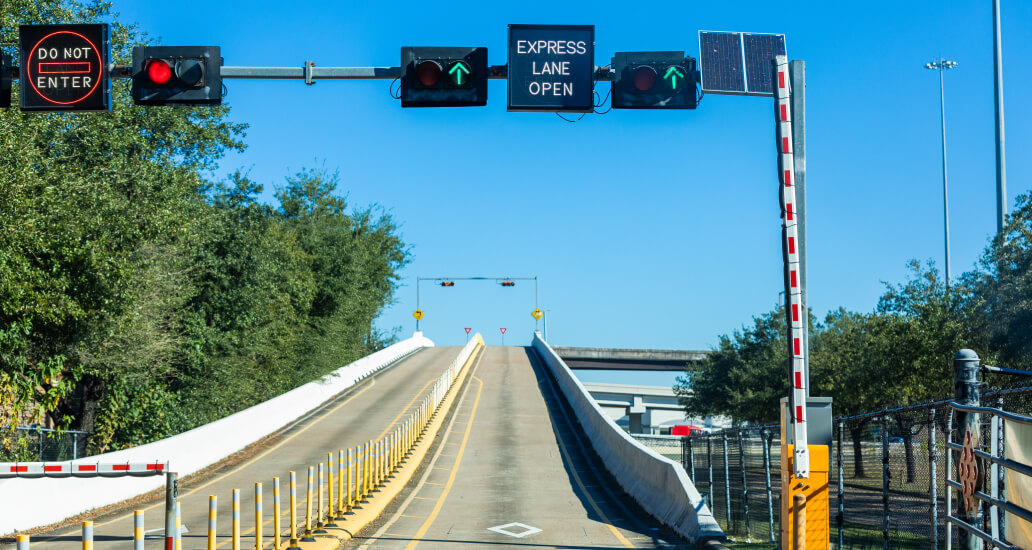
Thanks to automated gates and dynamic signage, the conversion of HOV Lanes to HOT Lanes offers unique opportunities for additional hours of operation. Once all of the METRO HOT Lanes are open, METRO will review the hours of operation outside of weekday travel.
4. What steps is METRO taking to prohibit solo drivers from using the lanes when they are closed to METRO HOT Lanes users?
METRO takes a multi-pronged approach to enforcement on the HOV/HOT Lane system.
Spotter booths are strategically placed along every HOV Lane that has been upgraded to METRO HOT Lanes status. When a spotter sees a single occupant vehicle in the lane when the HOT Lane is closed to solo drivers, he or she notifies METRO Police for enforcement purposes.
METRO Police officers are also stationed throughout the HOV/HOT Lanes system to patrol for possible violators, help with accidents in the lanes and deal with traffic flow issues. Of course, even with a high level of enforcement presence, issues can occur on the lanes that inevitably will slow down travel times.
These issues include:
- An accident or vehicular problem in the lane (flat tire, animal in the lane, pedestrian in the lane, car fire, etc.)
- A slow driver traveling between 45 – 50 mph
- An accident in the main lanes or near the HOV/HOT Lane barrier wall which causes slowdowns in both the HOV/HOT Lane and the main lanes
If a METRO Police officer finds a solo driver in the HOV/HOT Lane during a period when the lanes are closed to METRO HOT Lanes users, the driver will be issued a citation. MPD has issued more than 1,000 citations in the Gulf Freeway HOV/HOT Lane since its conversion in March.
5. How much money has METRO made with the addition of METRO HOT Lanes to the HOV Lane system?
As of September 2012, the combined revenue for IH-45 South and US 59 South METRO HOT Lanes is $412,207.74.
Revenue generated from the METRO HOT Lanes contributes to the operating, maintenance and enforcement costs of the METRO HOT Lanes.
6. Can solo drivers using the METRO HOT Lanes during scheduled hours of operation also use the Diamond Lanes?
No. The Diamond Lanes are for HOV Lane users only. Solo drivers using the Diamond Lanes will be issued a violation.
Get Adobe Acrobat Reader free software for viewing and printing PDF files.